 Pin it
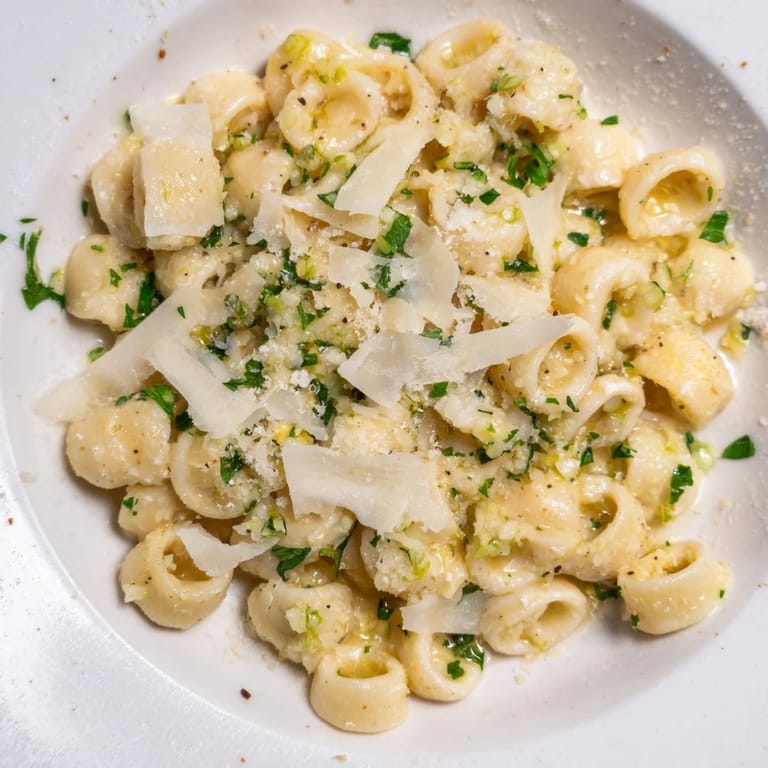
 There's something about a rainy Wednesday when the fridge is half-empty and you're craving something warm that makes this one-pot garlic butter ditalini the perfect answer. I discovered it almost by accident, reaching for pasta and broth while my roommate hovered nearby asking what smelled so good. Twenty minutes later, we were scraping bowls clean, and I realized I'd stumbled onto the kind of dish that feels both elegant and effortless at the same time.
I made this for my partner on a night when everything felt rushed, and watching the butter foam up around the garlic cloves brought back this unexpected calm. The kitchen filled with that golden, toasted garlic smell that somehow makes you feel like you've been cooking all day, even though you're barely five minutes in. That's when I knew this recipe had something special.
Ingredients
- Ditalini pasta (340 g / 12 oz): These small tube shapes are perfect because they drink in the broth and garlic butter without getting mushy if you stir them often.
- Low-sodium chicken broth (1 liter / 4 cups): The liquid does double duty here as both cooking medium and sauce, so use something you'd actually taste on its own.
- Unsalted butter (3 tablespoons): This is your foundation—it carries the garlic and coats every piece of pasta, so don't skip it or swap it for oil.
- Garlic cloves (4 large, minced): Mince them fine so they distribute evenly and soften into the broth rather than sitting in chunks.
- Shallot (1 small, finely chopped): Optional, but it adds a gentle sweetness that balances the sharpness of the garlic in a subtle way.
- Freshly grated Parmesan cheese (60 g / ½ cup): Grate it yourself right before using—pre-grated versions contain anti-caking agents that make the pasta taste grainy instead of creamy.
- Freshly ground black pepper (½ teaspoon): Fresh pepper tastes completely different from the pre-ground kind, and you'll taste the difference here.
- Red pepper flakes (¼ teaspoon, optional): A whisper of heat that wakes up the richness without overwhelming the gentle garlic.
- Fresh parsley (2 tablespoons, chopped): The brightness at the end matters more than you'd think, cutting through the butter so it doesn't feel heavy.
- Salt, to taste: Add it at the very end after the cheese, since both butter and broth already carry salt.
Tired of Takeout? 🥡
Get 10 meals you can make faster than delivery arrives. Seriously.
One email. No spam. Unsubscribe anytime.
Instructions
- Bloom the garlic in butter:
- Melt the butter over medium heat and watch it turn golden, then add your minced garlic and shallot if using. Stir constantly for just 1 to 2 minutes—you want the garlic fragrant and soft, never browned or bitter. If it starts to catch and brown, lower the heat immediately.
- Coat the pasta:
- Add the dry ditalini right into that buttery, garlicky mixture and stir for about a minute so every piece gets coated. You'll hear it crackling slightly in the pan, which is exactly what you want.
- Build the broth base:
- Pour in your chicken broth and bring everything to a boil over medium-high heat, then lower the heat to a gentle simmer. The pasta will start absorbing liquid immediately, so stir occasionally—about every two minutes—to keep anything from sticking to the bottom.
- Simmer until creamy:
- Let it cook uncovered for 10 to 12 minutes, stirring frequently, until the pasta is tender but still has a tiny bit of resistance when you bite it. The broth should be mostly absorbed by now, leaving behind this silky, reduced sauce. If it's drying out too fast, add a splash of hot water or extra broth.
- Finish with cheese and seasoning:
- Remove from heat and stir in your freshly grated Parmesan, black pepper, and red pepper flakes if you like a hint of heat. Taste and add salt as needed—remember that the cheese is already salty.
- Rest and serve:
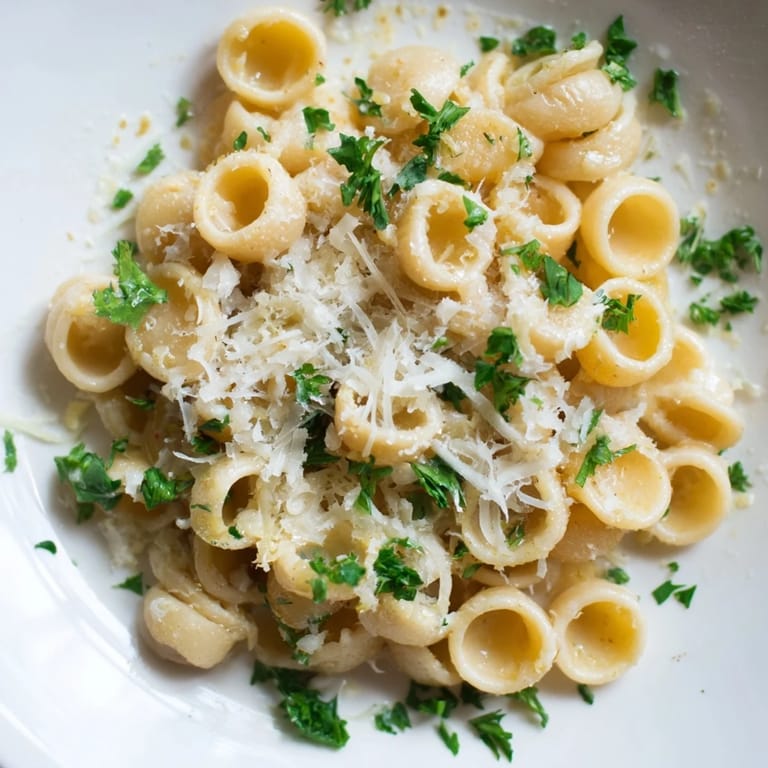
- Let the pot sit for 2 minutes off the heat so the pasta absorbs the last bit of liquid and the whole thing thickens slightly. Divide into bowls, top with chopped parsley and extra Parmesan, and serve immediately while it's warm.
 Pin it
 The first time someone asked for seconds, I realized this simple dish had somehow become the kind of thing people remember. There's comfort in that—in knowing that something this unpretentious and quick can still feel like an occasion.
Why This Method Works So Well
By cooking the pasta directly in the broth instead of in separate water, every grain absorbs the garlic and butter flavor from the start. The starch released from the pasta thickens the broth naturally, creating this silky, cohesive sauce without any cream. It's efficient and produces better flavor than boiling pasta separately ever could.
Variations That Feel Natural
Add sautéed spinach or fresh peas in the last two minutes of cooking for vegetables that won't turn mushy, or stir in shredded cooked chicken if you want something more substantial. A splash of heavy cream or milk stirred in at the very end pushes the richness further if you're in that kind of mood. For vegetarian diets, just swap vegetable broth for chicken and the dish loses nothing in the translation.
Serving and Pairing Suggestions
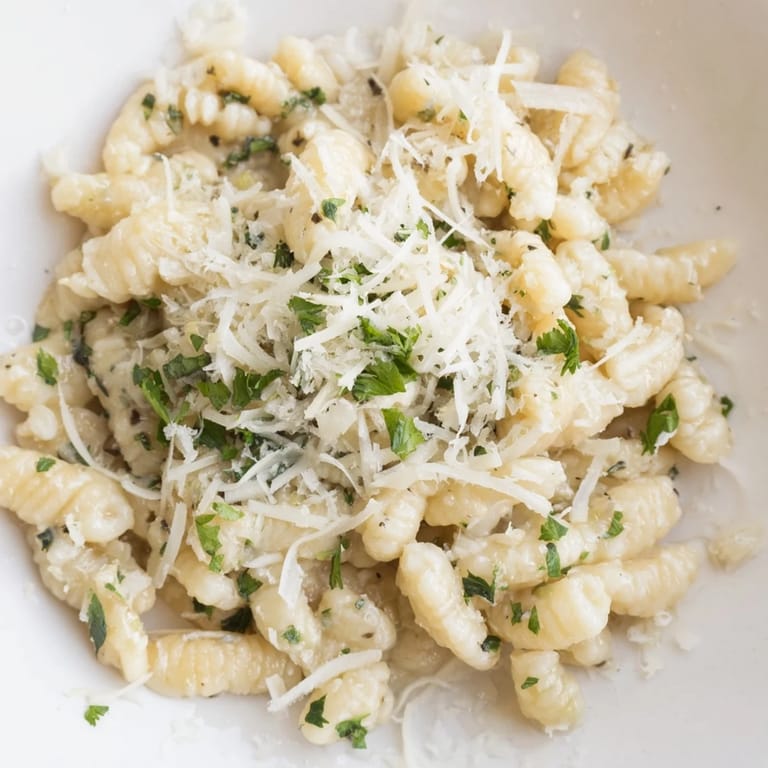
This pasta doesn't need much—a simple green salad with sharp vinaigrette alongside it is perfect, or serve it with crusty bread to soak up the last drops of that buttery broth. A crisp white wine like Pinot Grigio cuts through the richness beautifully and feels almost celebratory. Most importantly, eat it warm and fresh from the pot, because reheating loses some of that silky magic.
- Pair with a crisp, cold Pinot Grigio or a mineral white wine that won't overpower the delicate garlic.
- Serve with a simple green salad dressed in lemon vinaigrette to balance the richness.
- Have good bread nearby because you'll want to wipe every trace from your bowl.
 Pin it
 This is the kind of dish that proves simplicity done right beats complexity every time. Keep it in your weeknight rotation and watch how often you come back to it.
Recipe FAQs
- → Can I use a different pasta type?
Yes, small shaped pastas like elbow macaroni or small shells work well since they absorb the broth similarly to ditalini.
- → How can I make this dish vegetarian?
Simply swap the chicken broth for vegetable broth and use vegetarian Parmesan or omit cheese if preferred.
- → What if the pasta becomes too dry during cooking?
Add a splash of hot water or extra broth while simmering to maintain a creamy consistency and prevent sticking.
- → Can I add vegetables to this dish?
Sautéed spinach, peas, or mushrooms can be added during cooking for extra texture and nutrition.
- → How do I adjust the spice level?
Red pepper flakes can be added or omitted according to taste to control the level of heat in the dish.