 Pin it
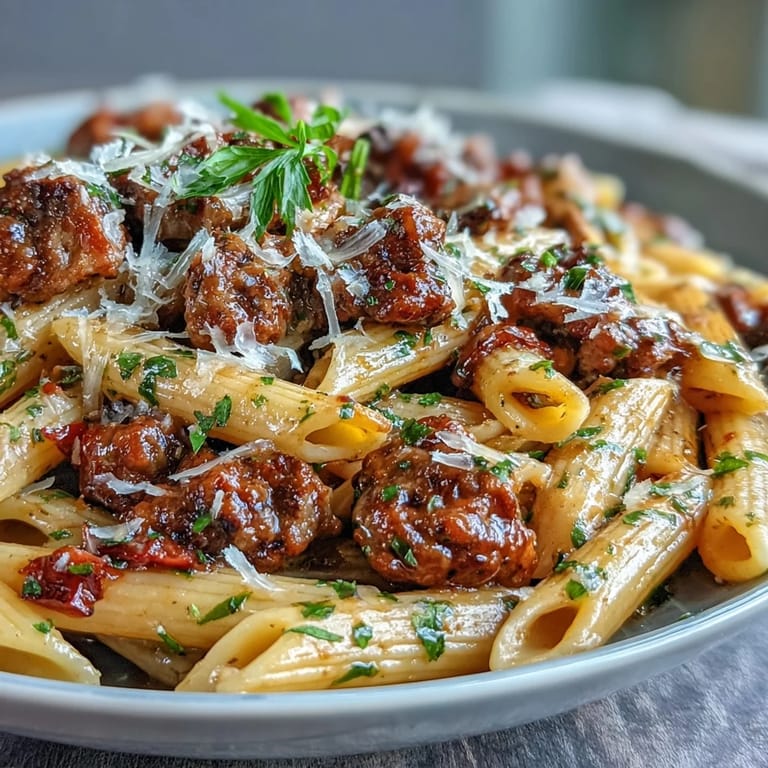
 There's something about a weeknight when you're tired but hungry that makes you crave something that feels like a hug in a bowl. I discovered this one-pot red wine sausage pasta on a particularly chaotic Tuesday when I had exactly 35 minutes before guests arrived and zero patience for washing multiple pans. What started as improvisation became the dish I now make whenever I want to feel like I've spent hours in the kitchen without actually, well, spending hours there. The wine simmers, the sausage releases its spices, and somehow it all comes together into something rich enough to impress but easy enough that you might actually enjoy making it.
I made this for my sister's book club crowd last spring, and watching people go quiet mid-conversation when they took that first bite was genuinely satisfying. Someone asked if I'd used pancetta or bacon, and I loved that they couldn't quite place the savory depth—it's just good sausage, wine, and the magic of letting things meld together. She still texts me about it sometimes.
Ingredients
- Italian sausage (300 g): The backbone of this dish—choose spicy if you like heat or mild for a gentler version, and yes, removing the casings makes browning infinitely easier and less fussy.
- Yellow onion (1 medium): Finely chop it so it softens into the sauce rather than staying as distinct pieces; this is where sweetness begins.
- Garlic (3 cloves): Mince it small and add it after the softer vegetables so it doesn't burn and turn bitter.
- Red bell pepper (1): Diced pieces add color and a gentle sweetness that balances the wine's tannins beautifully.
- Crushed tomatoes (400 g canned): Don't skip the canning process—fresh tomatoes would dilute the sauce too much for a one-pot situation.
- Penne or rigatoni (300 g): Short, sturdy shapes hold onto the sauce better than long pastas would in this creamy environment.
- Dry red wine (120 ml): Use something you'd actually drink—the cheap stuff adds harshness rather than depth, and the alcohol cooks off leaving only the good flavor.
- Low-sodium chicken broth (750 ml): Low-sodium matters here because the soy sauce adds its own saltiness, and you want control over the final seasoning.
- Soy sauce (2 tbsp): This umami bomb seems unexpected but it deepens savory notes without tasting like soy at all; learned this from a chef friend who swore by it.
- Heavy cream (120 ml): Added at the end, it transforms the wine-tomato base into something silky and luxurious without overwhelming the other flavors.
- Dried oregano and basil (1 tsp and ½ tsp): These Italian staples are your insurance policy for authentic flavor when you're cooking fast.
- Crushed red pepper flakes (¼ tsp optional): Leave them out if your crowd is pepper-sensitive, but a whisper of heat makes the sausage sing.
- Parmesan cheese and fresh basil: These finish the dish with brightness and a reminder that you care about the details.
Tired of Takeout? 🥡
Get 10 meals you can make faster than delivery arrives. Seriously.
One email. No spam. Unsubscribe anytime.
Instructions
- Brown the sausage first:
- Heat your large skillet over medium-high heat and add the sausage, breaking it into pieces as it cooks. Listen for that sizzle and watch for browning around the edges—this takes about 3 to 4 minutes and builds flavor through caramelization, the kind of thing that makes people ask what's in the sauce.
- Soften the vegetables:
- Add the chopped onion and diced bell pepper to the browned sausage, stirring often until they're soft and the onion turns translucent, which takes about 3 minutes. Then add your minced garlic and cook for just 1 minute more—you want it fragrant, not burnt.
- Deglaze with wine:
- Pour in the red wine and use your spoon to scrape up all those browned, flavorful bits stuck to the bottom of the pan. Let it simmer for 2 minutes so some of the alcohol burns off and the wine reduces slightly, concentrating its flavor.
- Build the sauce base:
- Add the crushed tomatoes, soy sauce, oregano, basil, and red pepper flakes if you're using them, then stir in the uncooked pasta and chicken broth. Everything goes in raw at once—the pasta cooks right in the sauce, absorbing all that savory depth as it softens.
- Simmer until pasta is tender:
- Bring everything to a boil, then turn the heat down to a simmer, cover it, and let it cook for 12 to 14 minutes, stirring occasionally. You're watching for the pasta to turn from hard to al dente and the liquid to reduce so the sauce thickens around each piece.
- Finish with cream:
- Stir in the heavy cream and let it simmer uncovered for 2 to 3 more minutes—this is when the sauce becomes silky and coats the pasta like it was meant to. Taste as you go and season with salt and black pepper until it feels right to you.
- Plate and garnish:
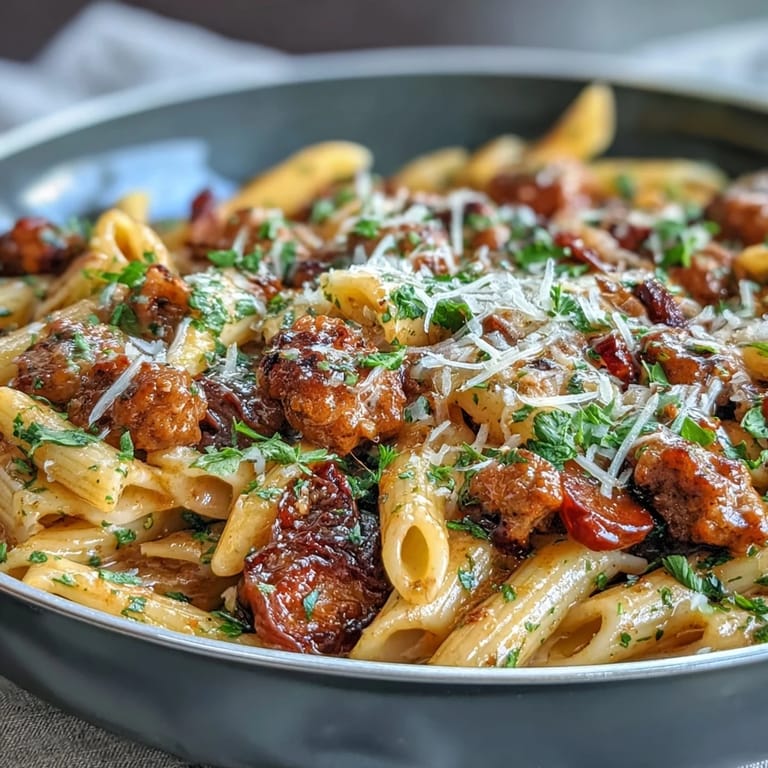
- Spoon everything into bowls while it's still warm, top with a generous handful of Parmesan and a scatter of fresh basil or parsley. The brightness of the herbs cuts through the richness beautifully.
 Pin it
 The moment I understood this dish was when my partner came home from work midway through cooking, smelled the wine and sausage simmering, and just stood in the kitchen for a moment without saying anything. Sometimes food is about nourishment, and sometimes it's about creating a moment where someone knows they're cared for before they even taste it.
Wine Matters More Than You Think
The red wine here isn't just flavoring—it's building blocks for the entire sauce structure. I used to reach for whatever was cheapest, and the dish always tasted slightly harsh underneath the cream. Then I started using mid-range wines I'd actually drink, and suddenly the sauce had this subtle complexity that made people pause mid-bite trying to name what they were tasting. Chianti, Merlot, or even a decent Côtes du Rhône all work beautifully because they have enough body to stand up to the sausage and tomatoes without tasting acidic or thin by the time the cream goes in.
The Soy Sauce Secret
This is the ingredient that made me stop and think about how flavor really works. I was skeptical when a friend suggested adding soy sauce to Italian pasta, but what it does is amplify savory depth without adding a salty taste that screams soy. It's like it whispers umami under everything else, making the sausage taste more like sausage and the tomatoes taste more like tomatoes. I now add it to almost any long-simmering tomato sauce, and nobody ever guesses it's there—they just say it tastes really good.
Customizing for Your Crowd
The beauty of this dish is how adaptable it becomes once you understand the foundation. Made it last month with half-and-half instead of heavy cream for someone watching their fat intake, and it was just as satisfying, slightly less rich but no less flavorful. My vegetarian friends get it with plant-based sausage and extra spinach stirred in during the last few minutes, and it's genuinely their favorite version—the wine and tomato base doesn't need meat to be interesting.
- Spinach or kale added in the last 3 minutes turns this into a more complete meal with minimal effort.
- Turkey sausage or chicken sausage works if you want lighter protein, though the flavor becomes more delicate.
- A pinch of nutmeg added with the herbs surprises people in the best way, adding warmth without being identifiable.
 Pin it
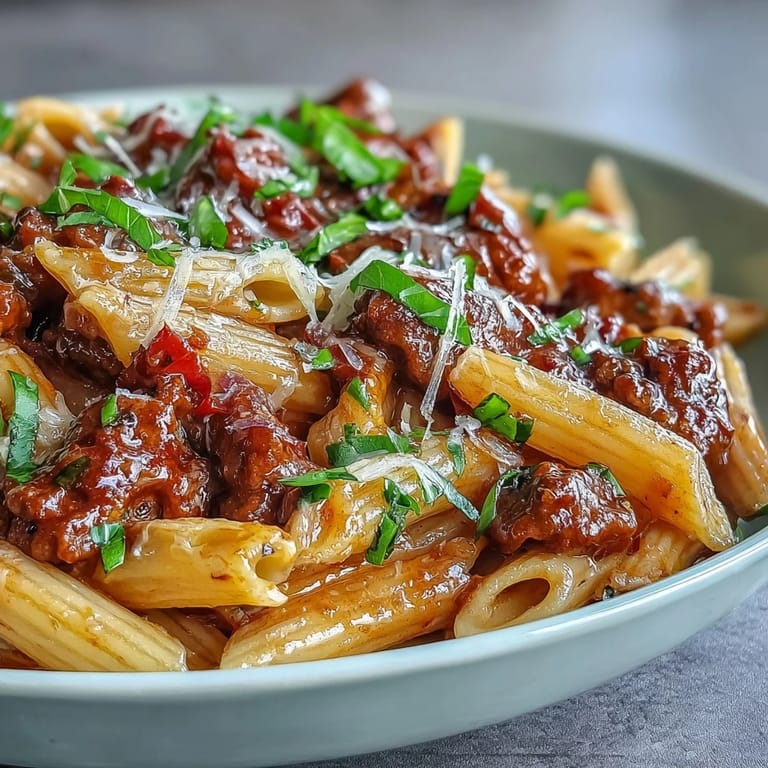
 This dish has become my answer to those nights when you need something that feels substantial and intentional but also feels achievable. It's taught me that good cooking isn't about complexity—it's about choosing ingredients that actually want to work together and then getting out of their way.
Recipe FAQs
- → Can I use different pasta shapes?
Yes, any short pasta works well. Try rigatoni, ziti, fusilli, or macaroni. The key is choosing shapes that hold sauce well in their ridges and tubes.
- → What red wine is best?
Dry varieties like Chianti, Merlot, or Pinot Noir work beautifully. Avoid sweet wines as they'll alter the sauce's balance. Use something you'd enjoy drinking.
- → Can I make this lighter?
Absolutely. Substitute half-and-half or light cream for heavy cream. Turkey sausage or plant-based alternatives also reduce fat while maintaining flavor.
- → How do I store leftovers?
Refrigerate in an airtight container for up to 3 days. The pasta will absorb more sauce, so add a splash of broth or cream when reheating on the stove.
- → Can I add vegetables?
Spinach, kale, or mushrooms are excellent additions. Add leafy greens during the last 3 minutes of cooking so they wilt perfectly without becoming mushy.