 Pin it
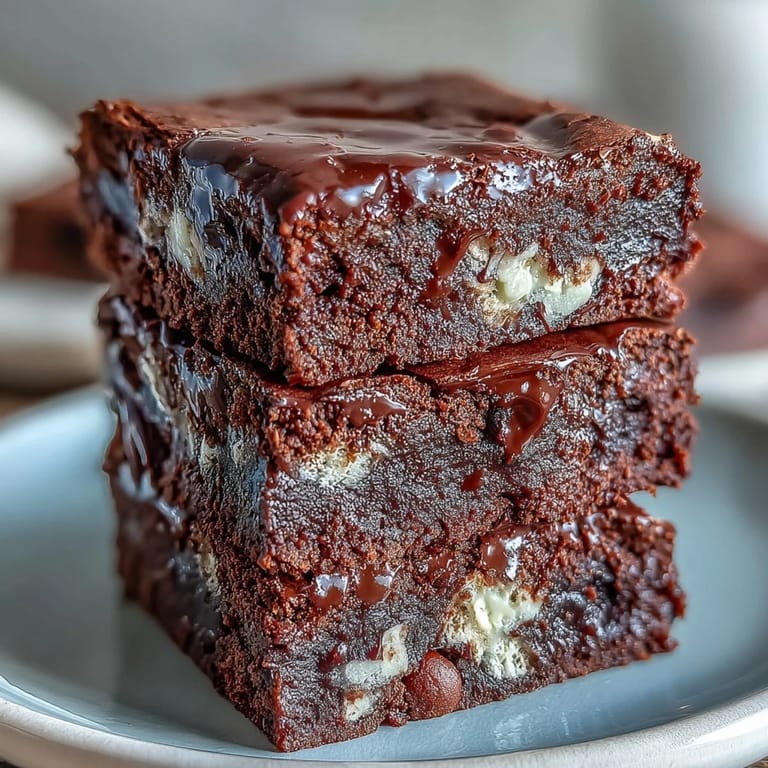
 My sourdough starter had been sitting neglected in the fridge for weeks when I decided to stop wasting it and bake something bold. I'd been craving brownies but wanted them to taste different—richer, more complex—so I threw the starter into the batter almost as an experiment. The result was darker, fudgier, with this subtle tangy undertone that made people pause mid-bite and ask what made them taste so good. That's when I realized sourdough wasn't just for bread; it belonged in chocolate too.
I baked these for a dinner party where someone brought an expensive bottle of wine, and these brownies somehow became the conversation starter instead. My friend cut into one and the fudgy center caught the light, and everyone leaned in. It turned out three people at that table had sourdough starters of their own, and we spent twenty minutes talking about how to use them for more than pancakes. That night taught me that good food creates space for real connection.
Ingredients
- Bittersweet chocolate (60–70% cacao): This is your backbone—it gives the brownies their dark, serious flavor without being too bitter for everyday eating.
- Milk chocolate: These pieces don't fully melt; they stay slightly textured and provide little pockets of sweetness that balance the intensity.
- White chocolate: Often dismissed, but in brownies it adds subtle richness and cuts through the heaviness in the best way.
- Unsweetened cocoa powder: Sifting this matters more than you'd think—it prevents lumps that can make the crumb feel gritty.
- Sourdough starter (100% hydration): This is your secret weapon; it doesn't need to be fed or fresh, discard works beautifully.
- Unsalted butter: Use real butter—the flavor is worth it and the texture won't compare.
- Eggs: Add them slowly and whisk well; they're binding everything together while also creating lift.
- Strong brewed espresso: Two tablespoons of the real thing changes everything; instant powder works if you dissolve it properly in hot water first.
- Granulated and brown sugar: The blend creates both structure and chewiness in the crumb.
- All-purpose flour: Keep it minimal so the brownies stay fudgy rather than cakey.
- Fine sea salt: A pinch here amplifies all the chocolate flavors without tasting salty.
Tired of Takeout? 🥡
Get 10 meals you can make faster than delivery arrives. Seriously.
One email. No spam. Unsubscribe anytime.
Instructions
- Heat your oven and prepare the pan:
- Preheat to 180°C (350°F) and line your 20x20 cm pan with parchment, leaving overhang on two sides so you can lift the whole thing out later. This saves you from breaking brownies apart trying to get them out.
- Melt the chocolate and butter together:
- Use a double boiler setup—a heatproof bowl over simmering water works perfectly—and stir the bittersweet chocolate with butter until completely smooth. Let it cool for a minute; you don't want it so hot it cooks the eggs.
- Build your wet base:
- Whisk both sugars into the chocolate mixture until it looks combined, then add eggs one at a time, whisking well after each so the batter stays emulsified. Add vanilla and espresso last—you'll smell the magic happening in that moment.
- Fold in the sourdough starter:
- This seems odd, but stir it in thoroughly; it disperses throughout and adds complexity without leaving visible streaks. The starter blends seamlessly once mixed.
- Combine dry ingredients carefully:
- Sift the flour, cocoa powder, and salt together, then fold—don't stir—into the wet mixture using a spatula. Stop as soon as you don't see streaks of flour; overmixing makes dense, tough brownies.
- Add the chocolate pieces:
- Fold in the milk and white chocolate pieces so they're distributed throughout but not broken up by aggressive stirring. They'll hold their shape and create texture.
- Pour and bake:
- Spread the batter evenly in the pan and bake 32–36 minutes; the center should look just barely set, and a toothpick should come out with moist crumbs, not wet batter. The residual heat keeps cooking them as they cool.
- Cool completely before cutting:
- This is patience work, but it matters—cutting warm brownies makes them crumbly and messy. Once fully cooled, lift out using the parchment overhang and slice into 12 squares with a sharp, clean knife.
 Pin it
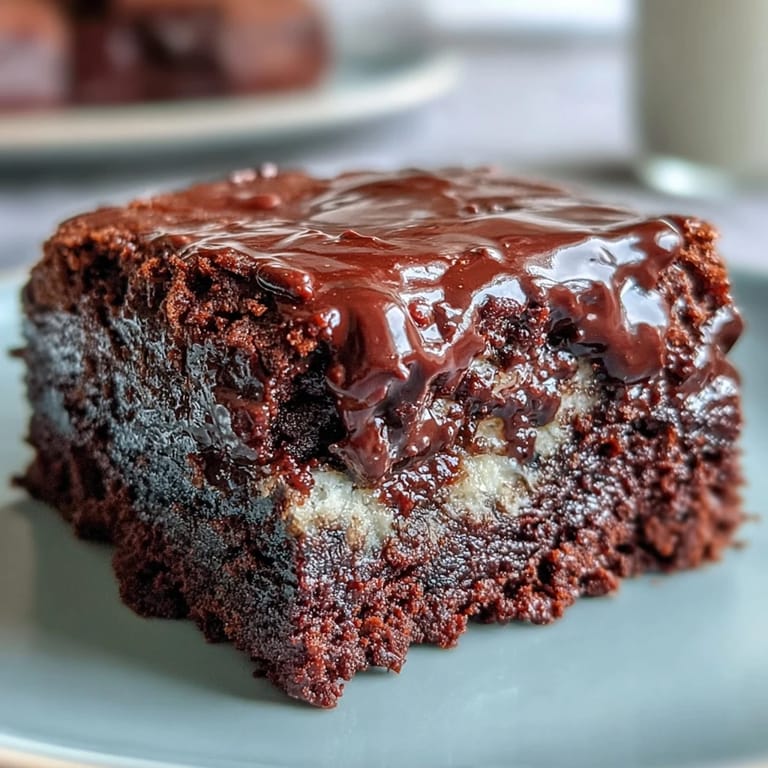
 There was a morning I made these and forgot to let them cool completely, so I sliced them warm and they fell apart into rich, fudgy chunks that I ate with a spoon straight from the pan. My partner walked in, saw me sitting there with chocolate on my face, and instead of judgment, they just pulled up a chair and joined in. Sometimes the best moment with a recipe isn't the perfect presentation—it's the honest, messy enjoyment of something you made yourself.
The Sourdough Secret
Most people don't realize that sourdough starter is mostly just fed flour and water—it's not going to make your brownies taste like bread. What it does is add acidity and fermented depth that amplifies the chocolate flavor in a way vanilla alone cannot. I started using discard starter because it felt wasteful to throw it away, and I discovered those brownies were actually better than the ones I made with fresh starter, which can sometimes overpower the chocolate. The unfed, neglected starter in your fridge is exactly what you want here.
Three Chocolates, Three Reasons
Using only bittersweet chocolate would make these intense and slightly one-note, but layering in milk and white chocolate creates complexity without making them sweet or precious. The milk chocolate melts slightly into the batter and adds richness, while the white chocolate pieces stay partially whole and provide texture contrast. I learned this after making single-chocolate brownies for years—the moment I added multiple kinds, everyone tasted the difference immediately and wanted the recipe.
Serving and Storage Ideas
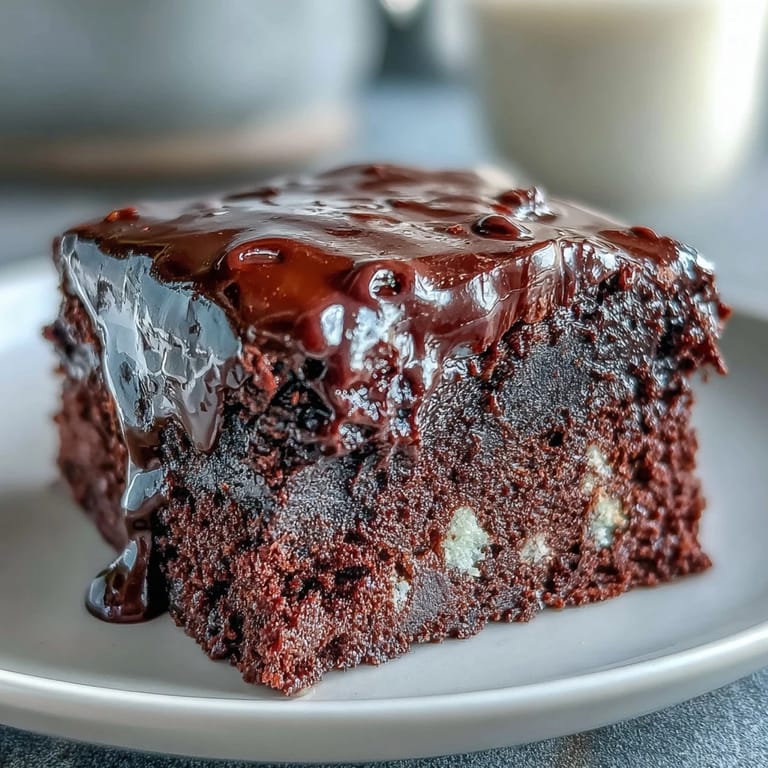
These brownies are honestly perfect on their own, but a scoop of vanilla ice cream or a glass of cold milk transforms them into something restaurant-quality. They keep in an airtight container for three to four days, and if you want them extra chewy, refrigerate them for a few hours before slicing—the cold makes the texture almost cake-like in the best way. I've also warmed cold brownies for 10 seconds in the microwave to bring back that fudgy quality.
- For extra crunch, fold in walnuts or pecans before baking.
- Swap the espresso for strong black coffee if that's what you have on hand.
- A pinch of cayenne pepper in the dry ingredients adds an unexpected sophistication.
 Pin it
 These brownies live in that perfect space where they're fancy enough to feel special but simple enough that you'll actually make them on a random Tuesday. Once you taste the combination of sourdough tang, espresso depth, and three kinds of chocolate working together, you'll understand why they've become the recipe I'm known for.
Recipe FAQs
- → What does the sourdough starter add to these brownies?
The sourdough starter imparts a subtle tang and moisture, contributing depth and a soft texture without overpowering the chocolate flavors.
- → Can I substitute the espresso used in the brownies?
Yes, strong brewed coffee can be used as a substitute, maintaining the rich, slightly bitter undertone that complements the chocolates.
- → How can I achieve the fudgiest texture?
Baking until the center is just set, then cooling completely before cutting helps keep the brownies moist and fudgy. Refrigerating them also enhances chewiness.
- → What types of chocolate are included and why?
Bittersweet, milk, and white chocolates combine to create a complex, layered flavor with varying sweetness and richness.
- → Are there any suggested add-ins for texture variation?
Chopped walnuts or pecans can be added before baking to introduce a crunchy contrast to the soft brownies.