 Pin it
 Last summer, my neighbor knocked on the fence with a bottle of wine and a question: "Want to skip dinner out tonight?" Twenty minutes later, we were sitting under the pergola with this sprawling board between us, the kind of spread that looks effortless but somehow makes everyone slow down. The feta was still cool from the fridge, the tomatoes had that just-picked sweetness, and the whole thing tasted like we'd stepped into someone else's vacation. That's when I realized the best meals aren't always complicated—they're just honest, colorful, and arranged with a little intention.
I made this for my sister's book club a few months back, and what struck me most was watching everyone pause mid-conversation to just look at the board before eating. Someone actually said, "This is so pretty I almost don't want to touch it," and then immediately loaded a crisp bread with hummus and cucumber. That's when I knew this wasn't just food—it was an invitation to slow down and notice the small, bright things.
Ingredients
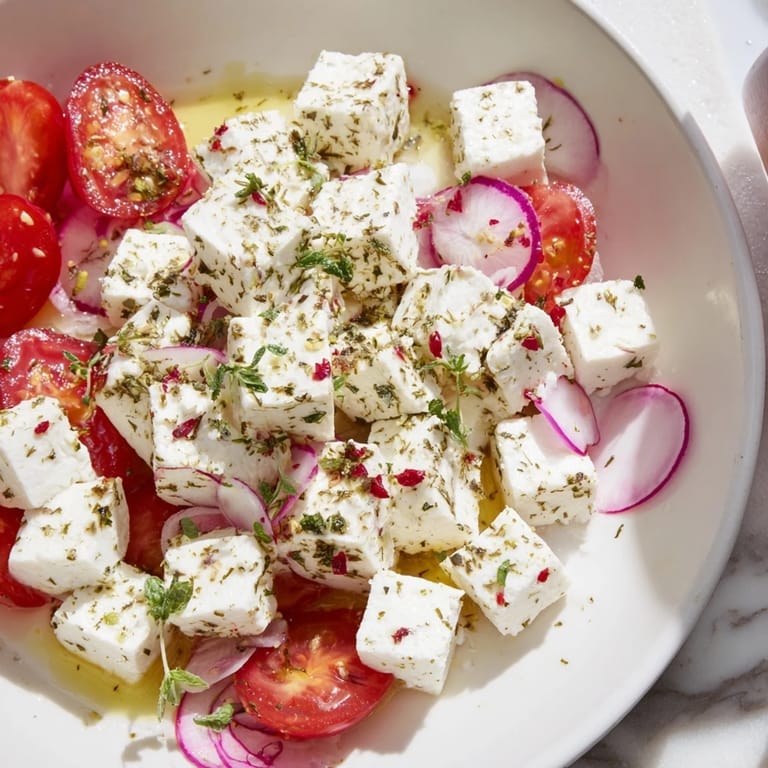
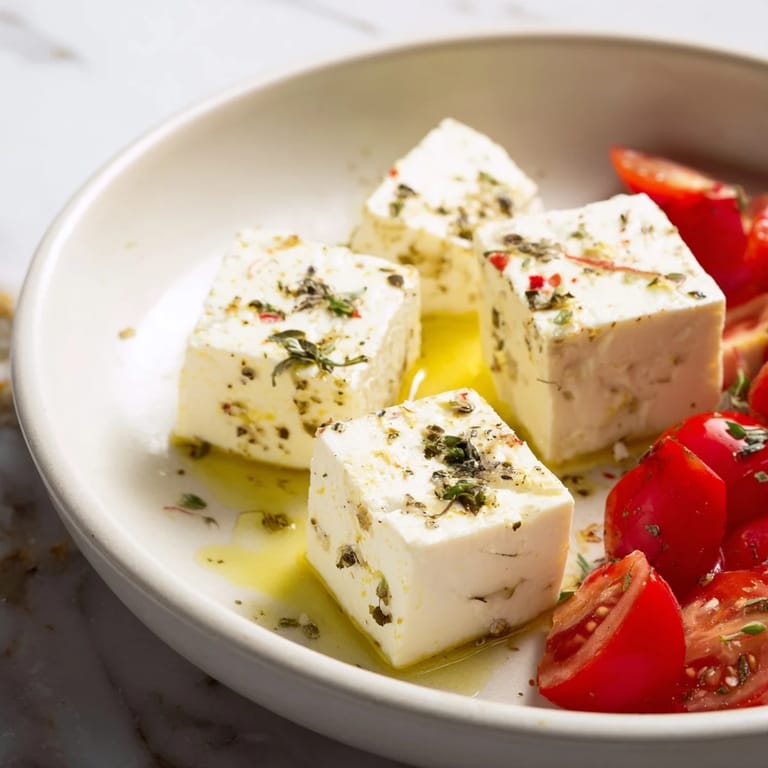
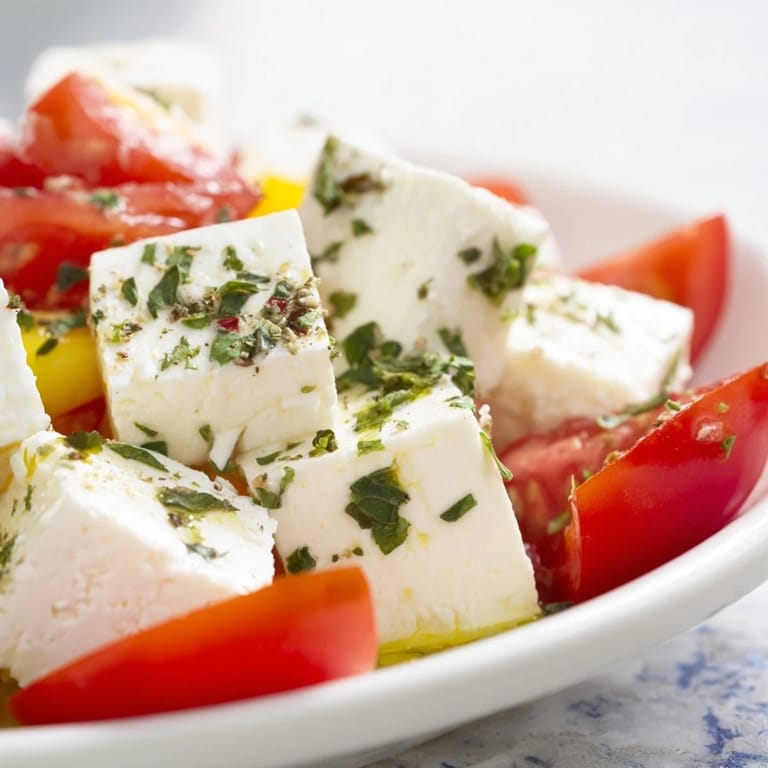
- Feta cheese, 150 g cubed: The salty backbone of this board—buy it from a good source if you can, as the difference between grocery store feta and something fresher is honestly night and day.
- Fresh mozzarella balls (bocconcini), 100 g drained: These stay tender and milky if you don't prep them too far ahead; I drain them right before arranging so they don't weep.
- 1 large cucumber, sliced into rounds: Slice just thick enough that they hold their shape but thin enough to let the flavor through—about a quarter inch is the sweet spot.
- 1 cup cherry tomatoes, halved: Get them as ripe as your market allows; a pale tomato will make the whole board feel sad.
- 1 yellow bell pepper, sliced into strips: The color is half the point here, so don't skip the yellow for red—you need that brightness.
- 1/2 red onion, thinly sliced: A quick soak in ice water for five minutes tames the bite if you're sensitive to raw onion.
- 1/2 cup radishes, sliced: These add a peppery crunch that keeps the whole thing interesting—don't leave them out.
- 1/2 cup Kalamata olives, pitted: Pitted means your guests can actually relax and eat without worrying about teeth.
- 1/3 cup hummus: Store-bought is fine here; this isn't the time to make everything from scratch.
- 1/3 cup tzatziki: Again, quality store-bought is your friend, or make it fresh if you have Greek yogurt and dill on hand.
- 1 cup assorted crispbreads or pita wedges: Gluten-free works seamlessly if that matters for your table.
- 2 tbsp extra virgin olive oil: This is worth spending a little more on—it's what ties everything together at the end.
- Fresh mint and dill sprigs, for garnish: These aren't optional; they're what makes someone look at the board and smile.
- Sea salt and cracked black pepper, to taste: Don't be shy—a generous hand with both makes the vegetables taste like themselves.
Tired of Takeout? 🥡
Get 10 meals you can make faster than delivery arrives. Seriously.
One email. No spam. Unsubscribe anytime.
Instructions
- Set the stage with cheese:
- Arrange the feta cubes and mozzarella balls in separate little clusters on your board, leaving white space around them like they're sitting in their own patch of sun. Think of it as creating breathing room—the eye needs to rest between colors.
- Build your vegetable landscape:
- Fan out the cucumber, tomatoes, peppers, onion, and radishes in small groups, letting some colors repeat across the board so it feels intentional rather than random. You want it to look abundant but airy, not crowded.
- Add the olives:
- Pile them into a small bowl or keep them in a low stack—they're earthy anchors for the brighter vegetables.
- Find homes for the dips:
- Spoon hummus and tzatziki into small bowls and tuck them into gaps on the board where they'll catch the light.
- Dress it lightly:
- Drizzle olive oil over the cheese and vegetables with a gentle hand, then scatter sea salt and cracked pepper—you're seasoning, not drowning.
- Give it life with herbs:
- Tuck mint and dill sprigs around the board, letting them poke up between the cheeses and vegetables for that just-picked look.
- Serve with confidence:
- Set out the crispbreads or pita wedges within arm's reach and let people build their own bites.
 Pin it
 There's something almost spiritual about a well-made mezze board—it stops people from rushing through the meal and turns eating into this gentle, social thing where everyone's hands move at the same relaxed speed. My grandmother, who grew up in Athens, saw one of these on my table once and just nodded, like I'd finally understood something she'd been trying to tell me my whole life without using words.
The Art of the Board
A mezze platter is really about restraint disguised as abundance. You're not trying to cram everything possible onto the board—you're curating a conversation. The gaps matter. The repetition of colors matters. When people see this spread, they should feel invited to linger, not rushed to grab and go. I've learned that sometimes the most generous thing you can do at a table is give people permission to slow down.
Flavor Building Without Heat
This board has no cooking heat, but it doesn't feel plain because the flavors are doing the work—briny olives talk to creamy cheese, peppery radishes play against sweet tomato, and the dips anchor everything with salt and herb. It's a masterclass in how texture and contrast create interest. I've noticed that vegetable-forward spreads like this one often taste better when you don't overthink them; let each ingredient speak without too much interference.
Serving Seasons and Settings
This platter feels most at home on a sunlit afternoon, but honestly, it works for casual lunches, impromptu gatherings, or even a light dinner when you can't face cooking. I've set this out for everything from a quiet morning with coffee (yes, really) to a crowded party. It adapts beautifully. The key is giving it room to breathe on whatever vessel you use—whether that's a marble board, a wooden platter, or even a clean ceramic tile.
- Make it vegan by swapping in plant-based feta and skipping the mozzarella, and nobody will feel like they're missing anything.
- Add fresh herbs like oregano or sumac to the feta if you want a flavor boost without changing the recipe's bones.
- If you're feeding a crowd, simply double the quantities and let the board get a little more crowded—it still works.
 Pin it
 This board is proof that some of the best meals come from paying attention to what's already good and letting it shine. I hope it brings the same kind of pause to your table that it's brought to mine.
Recipe FAQs
- → What cheeses are included on the platter?
Feta cubes and fresh mozzarella balls (bocconcini) provide creamy, tangy flavors that balance the vegetables.
- → Can this be made vegan-friendly?
Yes, by substituting plant-based feta and vegan mozzarella alternatives, and ensuring dips are free from dairy.
- → How should the vegetables be prepared?
Slice cucumbers into rounds, halve cherry tomatoes, cut bell peppers into strips, and thinly slice red onion and radishes for easy picking.
- → What accompaniments complement the mezze platter?
Hummus and tzatziki dips, sprinkled sea salt, cracked black pepper, and a drizzle of extra virgin olive oil enhance the flavors.
- → Are gluten-free options available?
Yes, use gluten-free crispbreads or pita wedges to accommodate gluten sensitivities.
- → What herbs are used for garnish?
Fresh mint and dill sprigs add a bright, aromatic finish to the platter.