 Pin it
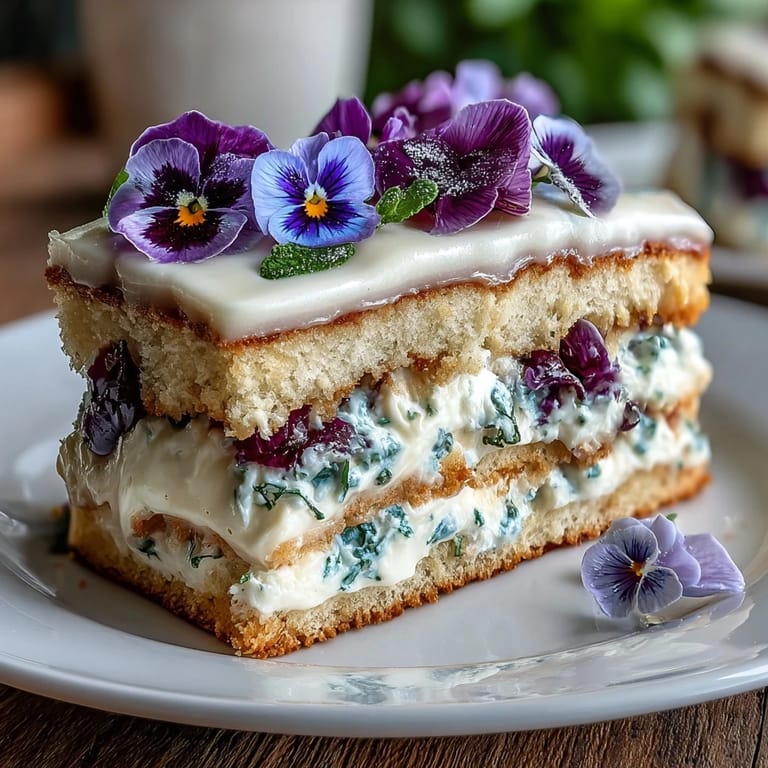
 Last spring, my neighbor handed me a bundle of violets she'd dried between cookbook pages, asking if I could do something beautiful with them. I'd never worked with pressed flowers before, but the moment I saw their delicate, papery texture catching the light, I knew exactly what to make. This vanilla cake became my canvas that afternoon, and watching guests' faces light up when they saw those tiny flowers embedded in cream felt like sharing a small secret. There's something about edible flowers that transforms a simple cake into an occasion worth celebrating.
I made this cake for my sister's bridal shower last May, and something unexpected happened. One guest who claimed she never ate dessert went back for seconds, then thirds. She whispered that the delicate flavor and the flowers made her feel like she was eating something precious, not just cake. That moment taught me that elegance isn't about complexity; it's about thoughtfulness and small, beautiful details.
Ingredients
- All-purpose flour (2 1/2 cups): Sift it with the baking powder and salt before adding to the wet ingredients—this distributes the leavening evenly and prevents lumps that can make the cake dense.
- Baking powder (2 1/2 tsp): This gives the cake its tender crumb and gentle rise; don't skip the sifting step or you'll get uneven bubbles.
- Salt (1/2 tsp): A pinch of salt amplifies the vanilla flavor and balances the sweetness in a way you won't taste directly but will absolutely feel.
- Unsalted butter (1 cup): Room temperature butter creams into the sugar smoothly, trapping air for a light texture; cold butter won't incorporate properly no matter how hard you beat it.
- Granulated sugar (1 3/4 cups): Creaming this with butter for 3 to 4 minutes is non-negotiable if you want that fluffy, almost mousse-like crumb.
- Large eggs (4): Room temperature eggs blend seamlessly into the batter, giving you a homogeneous texture; cold eggs can cause the mixture to separate and look curdled.
- Pure vanilla extract (1 tbsp): One tablespoon sounds like a lot, but it's what makes this cake taste like comfort, not like a blank canvas waiting for flavor.
- Whole milk (1 cup): Room temperature milk won't shock the warm batter, ensuring a smooth alternation that doesn't create lumps or overmix the flour.
- Heavy whipping cream (2 cups, cold): Keep this in the coldest part of your fridge; it whips faster and holds its shape better when it's properly chilled.
- Powdered sugar (1/2 cup): Sift this into the cream to avoid grainy frosting that looks separated or gritty.
- Edible flowers (1/2 to 1 cup, pressed): Use only organically grown, unsprayed flowers like violets, pansies, or rose petals; pesticides concentrate in dried flowers and can't be washed away.
- Fresh mint leaves (optional): These add a pop of green color and a gentle herbal note that bridges the floral and vanilla flavors.
Tired of Takeout? 🥡
Get 10 meals you can make faster than delivery arrives. Seriously.
One email. No spam. Unsubscribe anytime.
Instructions
- Prep your pans and heat the oven:
- Preheat to 350°F while you grease and line two 8-inch round pans with parchment paper; this prevents sticking and ensures even, level cake layers. A little patience here saves frustration later.
- Sift the dry ingredients:
- Sift flour, baking powder, and salt into a bowl and set aside; sifting aerates the flour and distributes the baking powder evenly, which is the invisible reason your cake rises gently rather than unevenly.
- Cream butter and sugar:
- Beat softened butter and sugar for 3 to 4 minutes until the mixture looks pale, fluffy, and almost mousse-like; this is where the magic of aeration happens. Stop occasionally to scrape down the bowl so every bit of butter gets incorporated.
- Incorporate eggs one at a time:
- Add each egg individually and mix well before adding the next; this prevents the batter from looking curdled or separated. If it starts to look lumpy, it's fine—the flour will bring it back together.
- Add vanilla and alternate flour with milk:
- Stir in vanilla, then add the flour mixture in three additions, alternating with milk (flour, milk, flour, milk, flour). Mix until just barely combined—overmixing develops gluten and makes the cake tough.
- Divide and bake:
- Pour batter evenly into pans and smooth the tops gently with a spatula. Bake for 30 to 35 minutes until a toothpick comes out clean and the edges spring back when lightly touched.
- Cool completely:
- Let cakes cool in pans for 10 minutes, then turn them out onto wire racks; rushing this step can cause them to crack or stick. Patience here means a beautiful final cake.
- Whip the cream frosting:
- In a chilled bowl, beat cold heavy cream, sifted powdered sugar, and vanilla until stiff peaks form; this usually takes 2 to 3 minutes with an electric mixer. Watch carefully so you don't overbeat and end up with butter.
- Assemble the cake:
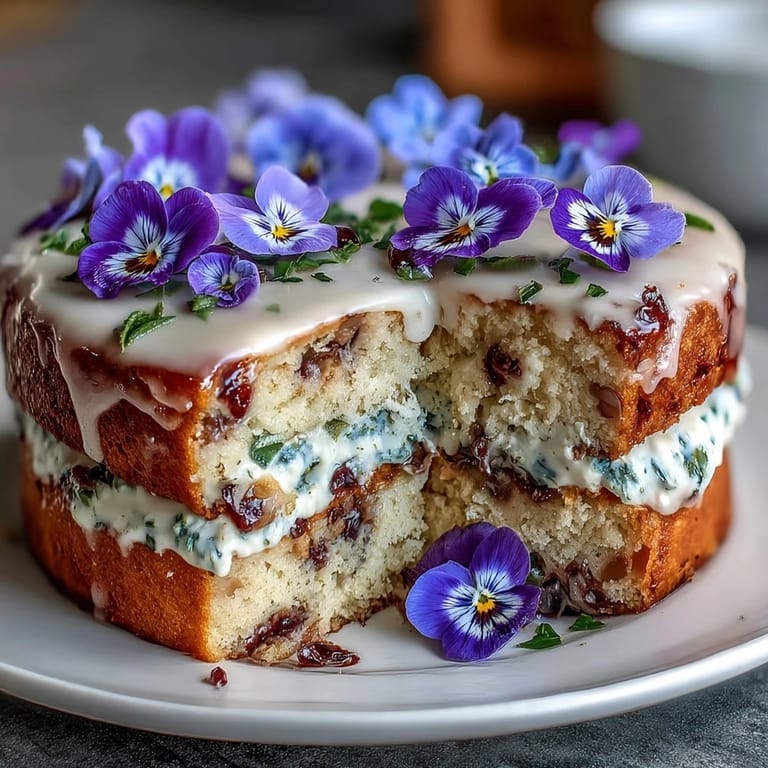
- Place one cooled cake layer on your serving plate, spread a generous layer of whipped cream on top, then crown it with the second layer. Frost the top and sides with remaining cream, creating gentle peaks and swirls.
- Decorate with pressed flowers:
- Gently press dried flowers onto the sides and top of the frosted cake, working carefully so the delicate petals don't crumble. Tuck in fresh mint leaves if you like that herbal accent.
- Chill before serving:
- Refrigerate the finished cake for at least 30 minutes so the frosting sets and the flowers adhere firmly. This makes slicing cleaner and allows all the flavors to meld.
 Pin it
 What struck me most while making this cake was how the flowers transformed it from something I'd baked a hundred times into something my friends asked for by name. A simple vanilla cake with cream became memorable because of one detail: those tiny pressed petals catching the light. It reminded me that cooking isn't always about reinventing the wheel; sometimes it's about noticing small, beautiful things and letting them shine.
Pressing Flowers at Home
If you want to press your own flowers instead of buying them, the process is slower but deeply rewarding. Pick flowers on a dry day, remove excess stems and leaves, and layer them between two sheets of parchment paper. Slide the whole stack into a heavy book or between stacked books and leave them undisturbed for at least 24 hours, though a week yields the most paper-thin, colorfast results. The wait teaches you patience, and opening those pages to see your flowers transformed is a small joy every time.
Flavor Variations Worth Trying
Once you're comfortable with the base recipe, little tweaks open up new possibilities. A teaspoon or two of lemon zest stirred into the batter adds brightness that plays beautifully with floral decorations, while a touch of almond extract deepens the vanilla without overpowering it. Even a whisper of rose water—just 1/4 teaspoon—can echo the flowers on top and create a more cohesive flavor story. The cake is forgiving enough to let you experiment, so trust your instincts and taste as you go.
Pairing and Serving
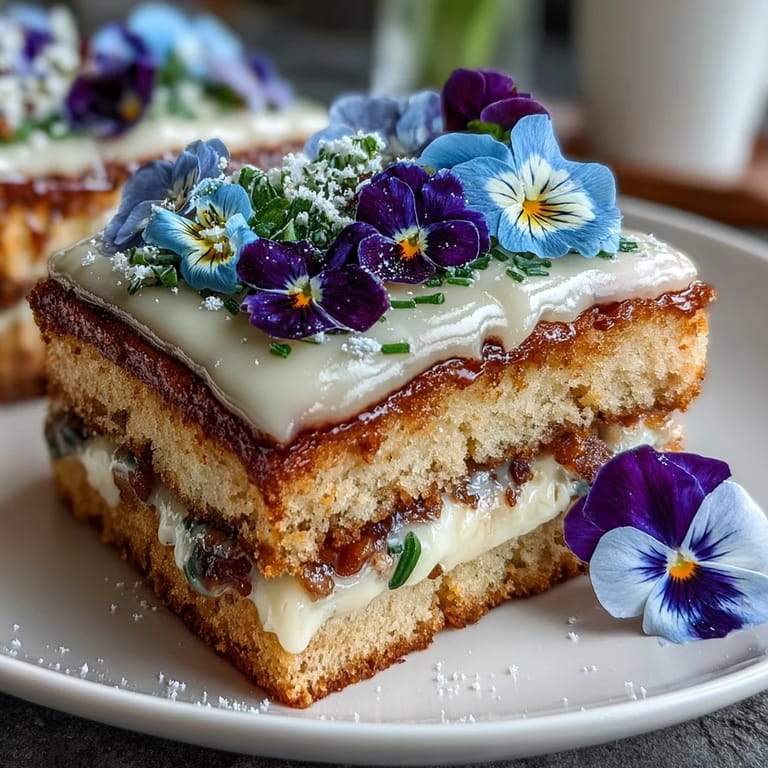
This cake sings alongside things that don't compete with its delicate flavor. A light sparkling wine, a floral tea like chamomile or lavender, or even a simple glass of cold milk pairs beautifully. I've found that serving it slightly chilled, rather than at room temperature, makes the vanilla taste more pronounced and the frosting more refreshing. Here are three last touches that elevate the whole experience:
- Dust a tiny bit of powdered sugar around the plate for an elegant frame that catches the light just like the flowers do.
- Slice with a hot, wet knife dipped in warm water between cuts for clean edges that show off your careful assembly.
- Serve within two days for the best flavor and texture; the cake stays moist, and the flowers remain vibrant.
 Pin it
 This cake reminds me why I love baking: it's a way to turn a handful of simple ingredients and a moment of thought into something that makes people feel seen and celebrated. Serve it with confidence.
Recipe FAQs
- → How do you press edible flowers for decoration?
Place the flowers between sheets of parchment paper and press them with heavy books for at least 24 hours until fully dried and flat.
- → Can I use fresh flowers instead of pressed ones?
Fresh flowers can be used but pressed flowers provide a more delicate and stable decoration that lasts longer on the cake.
- → What type of whipped cream is best for frosting?
Use cold heavy whipping cream beaten with powdered sugar and vanilla extract until stiff peaks form for a smooth, stable frosting.
- → How should the cake be stored after decorating?
Chill the decorated cake for at least 30 minutes to set the frosting and flowers, then keep refrigerated until serving.
- → Can this cake be made in advance?
Yes, bake and cool the cake layers ahead, store covered in the fridge, then assemble and decorate on the day of serving for best freshness.
- → Are there flavor variations suggested for this cake?
A citrus twist can be added by incorporating 1–2 teaspoons of lemon zest into the batter for added brightness.