 Pin it
 The scent of warm vanilla cake still lingers when I recall the first time I tackled the gold drip graduation cake. It was never about perfection—the kitchen got messier and the table more crowded as I experimented with that metallic sheen. Trying to mimic those bakery masterpieces felt like a playful challenge, especially when the idea of a shimmering mortarboard topper entered the conversation. What surprised me most was how such a fancy finish could brighten up an ordinary afternoon and transform it into something almost ceremonial. In a kitchen filled with laughter and sticky spatulas, this cake became my go-to for graduation celebrations.
The first time I made this for my cousin's graduation, the entire family hovered around, eager for a taste. There was a mixture of anticipation and chaos as we fussed over the details, debating whether chocolate or fondant made the best mortarboard. Someone dropped a sprinkle jar, and suddenly the kitchen sparkled in more ways than one. The moment we finally placed the topper, the room filled with congratulations—and a chorus demanding seconds. It became less about the cake and more about marking a milestone together.
Ingredients
- All-purpose flour: Gives the cake structure—sifting helps avoid lumps and ensures an even crumb.
- Granulated sugar: Sweetens and softens the cake, and rubbing it with lemon zest adds excellent aroma if you're feeling adventurous.
- Baking powder: Guarantees a tender rise; always double check it's fresh.
- Salt: Balances sweetness—don't skip, even if it seems minor.
- Unsalted butter: Room temperature is key for smooth mixing (microwave in short spurts if it's too firm).
- Whole milk: Adds richness; warming it slightly helps everything blend evenly.
- Sour cream: Keeps the cake moist and adds subtle tang—tap out measuring spoon for accuracy.
- Large eggs: Room temp helps batter emulsify; crack each into a bowl first to avoid shells.
- Pure vanilla extract: Deepens flavor; sometimes I sneak in almond extract for variety.
- Powdered sugar: Sift for smooth frosting—no lumps means less stress when spreading.
- Heavy cream: Makes the buttercream and ganache luscious; double check carton isn't about to expire.
- Edible gold luster dust: Transforms the cake into celebration—use sparingly for maximum effect.
- Fondant or chocolate mortarboard topper: This centerpiece impresses every guest, even if made in a hurry.
- Piping bag: Optional for drip control, but a spoon works just fine if you're not fussing.
Tired of Takeout? 🥡
Get 10 meals you can make faster than delivery arrives. Seriously.
One email. No spam. Unsubscribe anytime.
Instructions
- Get your tools and prep your pan:
- Grab your parchment paper, sheet pan, and preheat the oven to 350°F. Grease every nook and line the pan for easy cake removal.
- Mix the dry ingredients:
- Combine flour, baking powder, and salt in a bowl—whisk until you hear the gentle shush and everything's blended.
- Cream butter and sugar:
- Beat butter and sugar until pale and fluffy, letting the mixer whir and the kitchen smell sweet, then add eggs one at a time and vanilla.
- Add flour and wet ingredients:
- Alternate flour mixture with milk/sour cream, beginning and ending with flour. Mix just until incorporated so the cake stays tender.
- Bake:
- Pour batter into the pan and smooth the top. Slide it in the oven—bake until a toothpick comes out clean and the edges are golden.
- Cool completely:
- Let the cake rest in the pan on a rack; patience here pays off when you decorate.
- Make the buttercream:
- Beat butter until creamy, then slowly add powdered sugar, vanilla, salt, and milk/cream—adjust consistency as needed for easy spreading.
- Frost the cake:
- Spread an even layer of buttercream over the cake, smoothing with an offset spatula; celebrate tiny swirls or stripes as you work.
- Prepare gold drip:
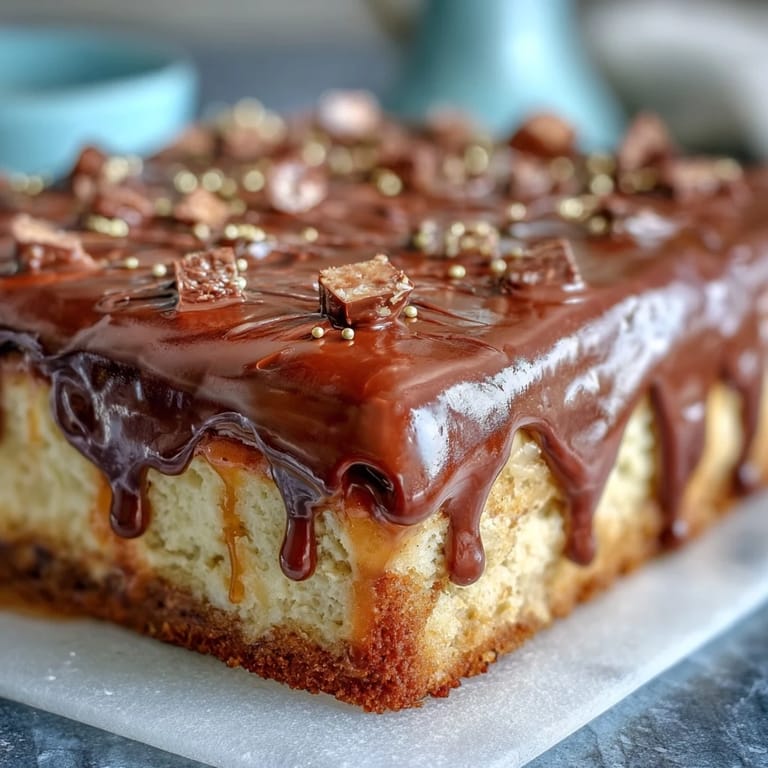
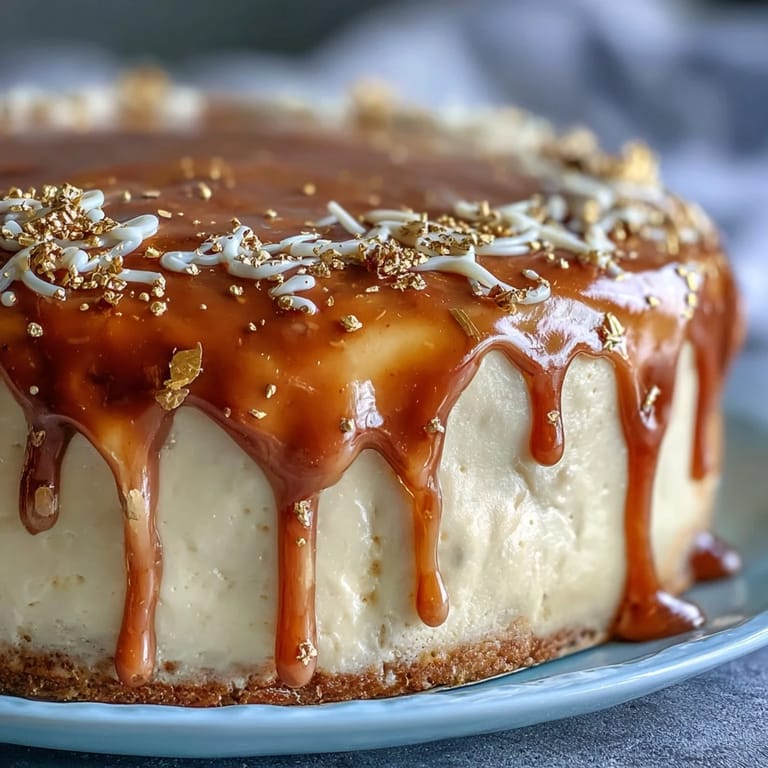
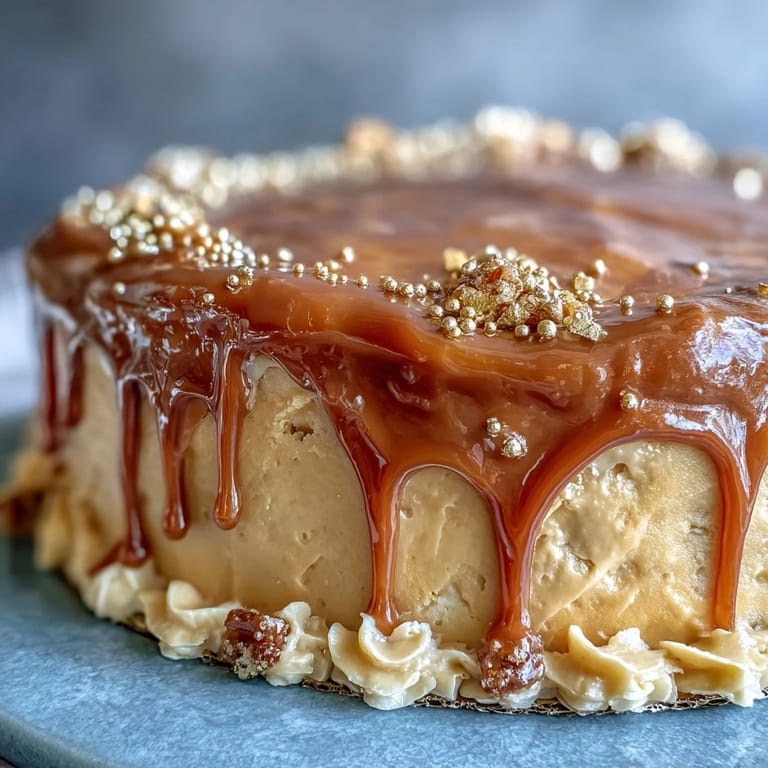
- Heat cream until steaming, pour over white chocolate chips, wait, then mix until silky. Let it cool until it drips but doesn't run everywhere.
- Add gold drip:
- Using a spoon or piping bag, gently drip ganache along edges—feel free to experiment with length. Allow to set before painting.
- Paint gold:
- Mix luster dust with vodka or clear extract, then brush the gold carefully over the drips for that dazzling effect.
- Decorate:
- Top with mortarboard and scatter gold sprinkles; step back and admire your work for a moment.
 Pin it
 There was a hush just before we sliced into the cake, as everyone paused to snap photos and admire that shimmering gold finish. When the first piece disappeared, someone joked that celebrations taste better with a little sparkle, and I couldn't argue. Underneath all the festive decor, the cake itself became a delicious symbol of ambition and new beginnings. It brought us together in pursuit of good flavors and brighter futures, forging a memory more lasting than any diploma. The dish turned into a punctuation mark for the day—sweet, bold, and unforgettable.
How to Make Your Decorations Really Stand Out
Experimenting with toppers turned into its own tradition in my kitchen. Sometimes I use chocolate squares and licorice tassels, other times fondant hats—there's always room to personalize for your grad. I learned that a dab of edible glue makes assembly easier and keeps everything intact during those last hectic moments. Adding a few gold sprinkles never fails to win smiles from guests, even if they're scattered unevenly.
Why Room Temperature Matters
Trust me—using room temperature butter, eggs, and milk prevents clumping and allows for better emulsification in your cake and frosting. Cold butter can leave little lumps, and everything blends more evenly when it's not straight from the fridge. If you're pressed for time, set ingredients out while prepping, or speed things up gently in the microwave. This simple step makes big difference in texture and flavor.
Troubleshooting Your Gold Drip
Gold drip can feel intimidating, but it's forgiving once you get the hang of it. If the ganache is too runny, stir and let it cool a bit longer (checking every few minutes). Should it harden too quickly, a few seconds in the microwave will loosen it for perfect drips. The painting step turns mistakes into a triumph—swipe extra gold over any uneven spots, and no one will notice.
- If your drip slides off, the cake may not be cool enough.
- Paint gold once the drip has set to avoid smudges.
- Don’t rush—taking your time makes every detail shine.
 Pin it
 Every graduation deserves a grand cake, and making it yourself adds a touch of love. It's always satisfying to see guests amazed at your pastry skills—especially when you know the secret is simply patience and playfulness.
Recipe FAQs
- → How is the gold drip achieved?
The gold drip is made with white chocolate ganache, then brushed with edible gold luster dust mixed with clear extract.
- → Can I make the mortarboard topper at home?
Yes, use black fondant or chocolate squares for the base and a licorice tassel for a homemade mortarboard topper.
- → What flavor options are available for the cake?
Vanilla is the primary flavor, but lemon or almond extract can be added for a unique twist.
- → How many servings does the cake provide?
This sheet cake yields approximately 24 servings, perfect for gatherings and celebrations.
- → What tools are needed for decorating?
You’ll need a sheet cake pan, mixer, offset spatula, piping bag, food-safe paintbrush, and parchment paper for best results.
- → Is the cake suitable for vegetarians?
Yes, the cake is vegetarian, made with butter, eggs, and dairy. Always check toppings for additional allergens.