 Pin it
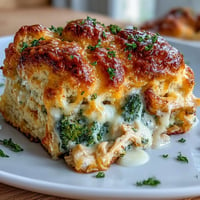
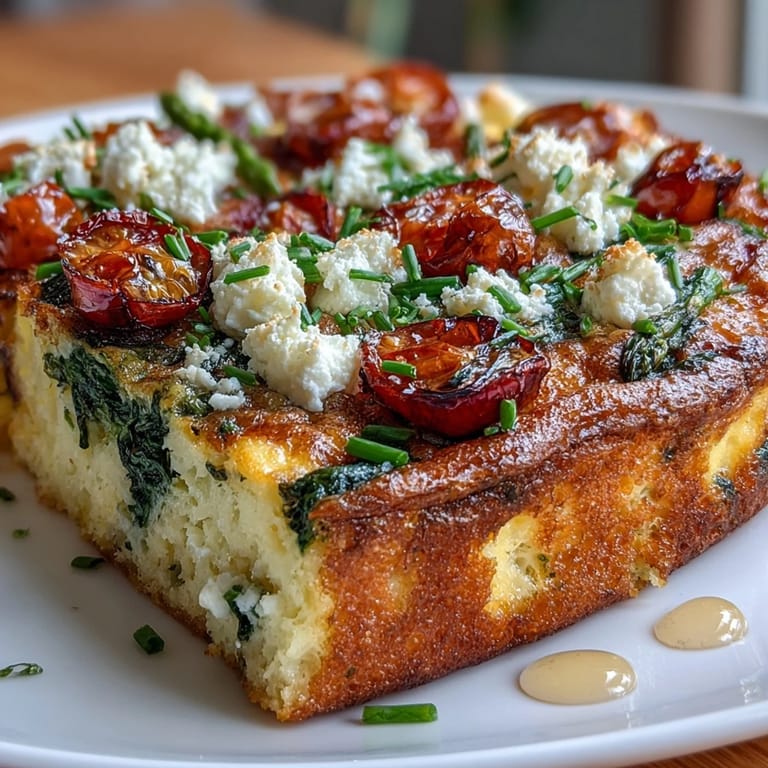
 There’s something about the quick rhythm of spring mornings that makes me crave dishes brimming with color and comfort. Not long ago, early sunlight stretched across my kitchen counter while I chopped herbs, the scent of parsley mingling with sharp feta. I remember how the sizzle of vegetables in olive oil seemed to echo the gentle busyness outside as I prepped this bright, fluffy sheet pan Easter frittata. Making it, the kitchen felt warmer and more alive, filled with the hum of anticipation—like a subtle celebration in itself. Sometimes the small drama of baking eggs and vibrant veggies is all you need to mark a special brunch.
I’ll never forget the year my neighbor popped by at the last minute, arms full of tulips, just as I was pulling this frittata from the oven. We ate at the kitchen table with the windows open, everyone reaching for another piece, the edges still golden and warm, laughter drifting out with the breeze. That brunch felt spontaneous and welcoming—proof that sometimes the easiest recipes create the easiest gatherings.
Ingredients
- Asparagus: Snapping the ends off by hand helps you get the tenderest spears, and their grassy bite is perfect for spring.
- Cherry tomatoes: Halve them so they roast just enough—bursting with flavor but not too watery.
- Bell peppers: Use any color; dice them small so they soften quickly and dot the frittata with sweet pops of color.
- Baby spinach: Roughly chop so it wilts into the eggs, never turns slimy, and sneaks in a bit more green.
- Red onion: Thin slicing makes them gently sweet as they cook, adding a soft edge to the mix.
- Eggs: Twelve might sound like a lot, but that’s what creates those luscious, fluffy slices.
- Whole milk: The little bit of richness here keeps the frittata soft—not rubbery.
- Feta cheese: I love the briny tang, but swap for goat cheese if you like something milder and creamier.
- Parmesan cheese: You’ll want to grate it yourself for the biggest salty punch.
- Olive oil: Watch for the glossy sheen as your veggies sauté—once they glisten, you’re ready to assemble.
- Chives: Their gentle onion flavor adds a hint of spring; chop with a sharp knife so they stay bright green.
- Parsley: Use the leaves, not stems, for a burst of freshness that lifts all the other flavors.
- Salt: Go easy at first—the cheese brings plenty already.
- Black pepper: Freshly ground wakes up the eggs; a little goes a long way.
- Smoked paprika: Optional, but I love how a pinch adds a subtle whisper of warmth and earthiness.
Tired of Takeout? 🥡
Get 10 meals you can make faster than delivery arrives. Seriously.
One email. No spam. Unsubscribe anytime.
Instructions
- Get your pan ready:
- Line a rimmed sheet pan with parchment or a slick of olive oil—don’t skip this, it’ll make for easy slicing later.
- Whisk it up:
- Beat your eggs, milk, salt, pepper, and smoked paprika together until there’s a bit of froth and the yolks disappear completely.
- Add the flavor:
- Stir in the cheeses, chives, and parsley; watch the flecks of green and white dance through the sunshine yellow.
- Sauté the veggies:
- Warm the olive oil in a big skillet, then toss in asparagus, bell peppers, and onions—let them sizzle for a few minutes, then stir in spinach until it wilts into a lush tangle.
- Layer it up:
- Spread the vegetables and cherry tomatoes over your pan, making sure every corner gets some love.
- Egg pour:
- Pour the egg mixture over the top and gently wiggle the pan to tuck the veggies in snugly together.
- Level and bake:
- Give one last little shake, then slide the pan into the oven and bake for 22–25 minutes—watch for puffed, golden edges and a center that barely jiggles.
- Cool and serve:
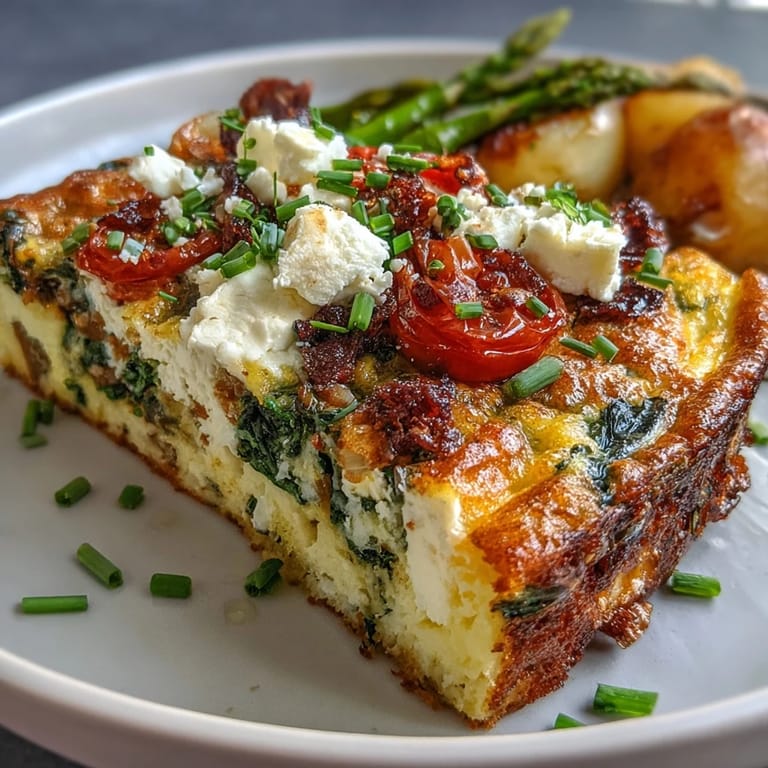
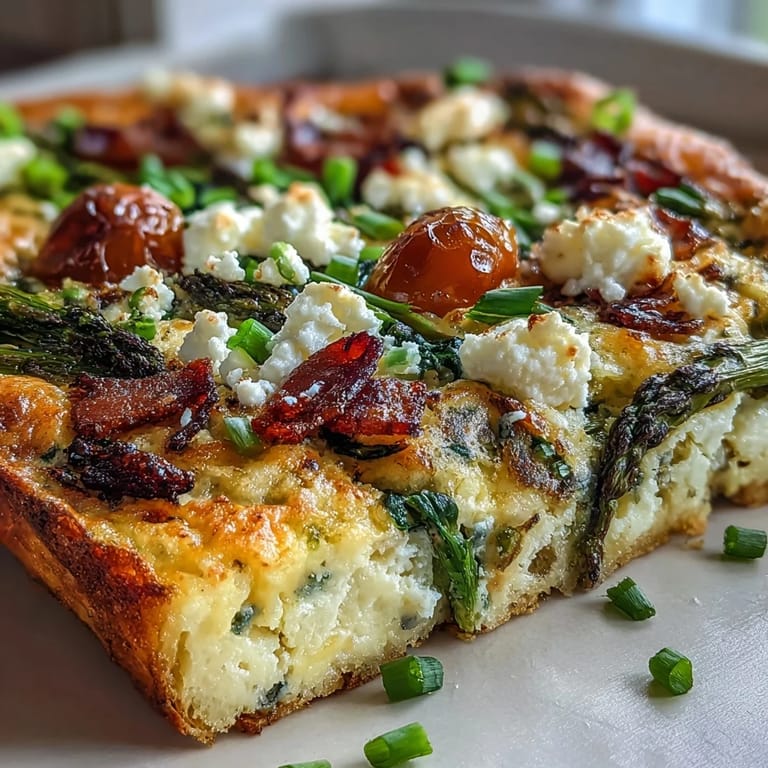
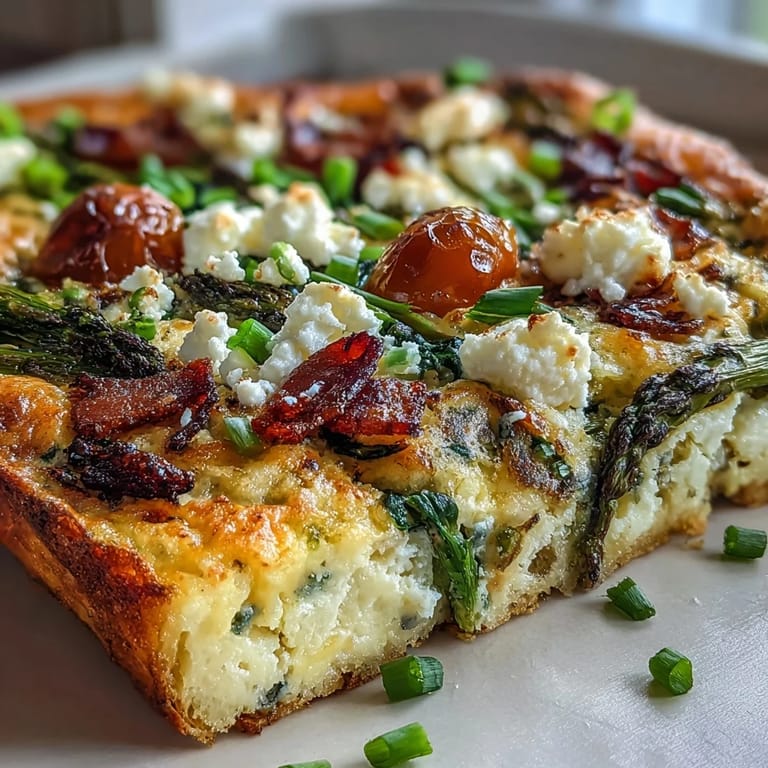
- Let it rest for five minutes (torture, I know), then slice into squares and enjoy warm or cool, as you like.
 Pin it
  Pin it
 The season this dish became a family mascot was one when my youngest insisted on counting the vegetable colors—somehow this turned into a friendly competition at the table. For a while after, every frittata meant a playful tally and a small celebration of spring’s arrival on our plates.
Making It Your Own Each Time
Not every market trip yields perfect asparagus or bright tomatoes, but that’s the charm—toss in zucchini, artichoke hearts, or even a few peas if the mood strikes. I always remind myself that swapping cheeses and mixing up herbs turns this basic frittata into something new for every occasion.
Serving Suggestions That Never Fail
Honestly, a pile of fresh greens tossed with lemon and olive oil really brings out this frittata’s flavors. If I’m feeling fancy (or feeding a serious crowd), a loaf of warm crusty bread alongside disappears faster than the frittata itself.
What to Do With Leftovers
This frittata keeps surprisingly well—reheating doesn’t make it rubbery as long as you cover the slices with a damp paper towel. I sometimes tuck squares into lunchboxes or layer them onto English muffins for a quick breakfast sandwich.
- Wait for the pan to cool fully before storing or slicing.
- Wrap portions individually for easy grab-and-go breakfasts.
- Don’t be afraid to eat it cold—it’s delicious straight from the fridge.
 Pin it
  Pin it
 Here’s to frittata mornings—where a single pan brings everyone to the table, no matter the season or the company. Wishing you a brunch that’s as easy as it is festive.
Recipe FAQs
- → How do I avoid a soggy texture from watery vegetables?
Sauté high-moisture vegetables (asparagus, peppers, onions) until most of the water has evaporated and wilt spinach separately. Drain or pat cherry tomatoes dry and remove excess liquid before spreading vegetables on the sheet pan.
- → Can I make this dairy-free or use different cheeses?
Yes. Use a plant-based milk and dairy-free crumbles or omit the crumbled cheese and add a tablespoon of nutritional yeast for savory depth. Goat cheese or shredded cheddar are fine swaps for feta if you prefer.
- → How can I tell when the frittata is fully set?
The edges should be golden and slightly pulling from the pan, and the center should no longer be liquid. A gentle jiggle is okay; a knife or toothpick inserted near the center should come out mostly clean.
- → What if I use a different pan size?
An 18x13 rimmed sheet pan gives a shallow, evenly baked frittata. A smaller pan yields a thicker custard and may need 5–10 extra minutes; a larger pan will bake faster. Adjust bake time and monitor center for doneness.
- → How should I store and reheat leftovers?
Cool completely, cover and refrigerate up to 3 days. Reheat individual squares in a 350°F oven until warm, or microwave briefly for quick servings; a short oven reheat keeps texture firmer.
- → Tips for neat, even slices?
Let the pan rest 5–10 minutes to firm up, or chill briefly for cleaner cuts. Use a sharp knife, wipe the blade between cuts, and slice into uniform squares for easy serving and presentation.