 Pin it
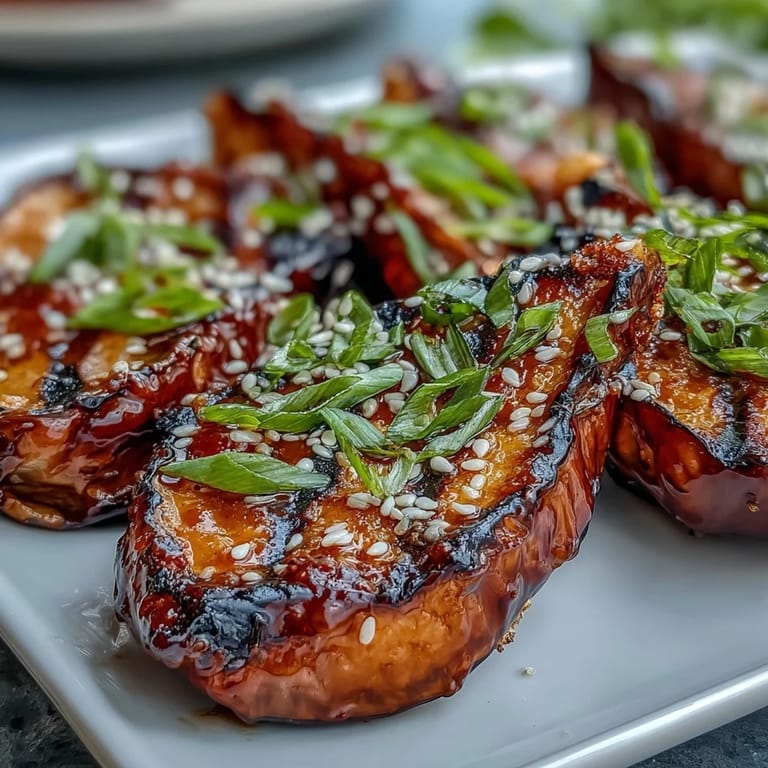
 The sizzle of broiling eggplant always reminds me of the first hot weekend that rolls through after winter breaks—windows flung open, sunlight slanting across my kitchen table. One damp afternoon, curiosity (and a sorry-looking pair of eggplants) nudged me into experimenting with miso: an ingredient I'd only half-understood until it turned sweet and glossy under my spatula. Those accidental discoveries are why I love this dish. There's something quietly thrilling about seeing a humble vegetable turn absolutely lush under such a simple glaze. The savory aroma that fills the room is enough to tempt nosy neighbors to knock.
One rainy night, I pulled these bubbling eggplant halves out of the oven to feed some friends who'd dropped by unannounced after a movie marathon. Nobody expected much, but as soon as we sliced through the caramelized tops, the chatter turned to contented silence. It was a small victory—now every time I see mirin in my pantry, I remember that laughter and the clatter of chopsticks against plates.
Ingredients
- Eggplants: Try to choose medium ones with glossy skin; scoring them helps soak up the glaze and ensures even roasting.
- White miso paste (shiro miso): Gives that gentle, sweet-salty base—stir well to avoid clumps.
- Mirin: Its subtle sweetness balances the salt; if it's missing from your pantry, a splash of rice vinegar and sugar works surprisingly well.
- Sake: Adds depth (and no, it doesn't linger as alcohol), but water plus a pinch of sugar will do in a pinch.
- Sugar: Essential for getting those beautiful caramelized bubbles under the broiler.
- Soy sauce: Adds an extra umami note—tamari can be swapped in for gluten-free versions.
- Sesame oil: Don’t skip this when brushing the eggplant; it adds that unmistakable nutty aroma.
- Toasted sesame seeds: A last-minute sprinkle wakes up the glaze’s flavors—try freshly toasting them yourself for even more punch.
- Green onions: Thin, crisp slices cut the richness and add a pop of color just before serving.
Tired of Takeout? 🥡
Get 10 meals you can make faster than delivery arrives. Seriously.
One email. No spam. Unsubscribe anytime.
Instructions
- Get Prepped:
- Set your oven to 400°F (200°C) and line a baking sheet with parchment—trust me, it saves on cleanup later.
- Score and Brush:
- With a sharp knife, create a crosshatch in each eggplant half without slicing through the skin, then brush the flesh with sesame oil until it glistens.
- Roast to Softness:
- Arrange the eggplant cut side up and roast about 25 minutes, until the edges begin to shrivel and the flesh softens under your spoon.
- Miso Magic:
- For the glaze, stir miso paste, mirin, sake, sugar, and soy sauce in a small saucepan; warm gently as you whisk until it forms a smooth, shiny sauce after a couple minutes.
- Brush and Broil:
- Spread the miso glaze generously over the roasted eggplant, then broil for a few minutes—keep an eye out, as the sugar bubbles and browns fast.
- Finishing Touches:
- Carefully move the glazed eggplants to a platter and shower them with toasted sesame seeds and green onion slices; serve while everything is still warm and fragrant.
 Pin it
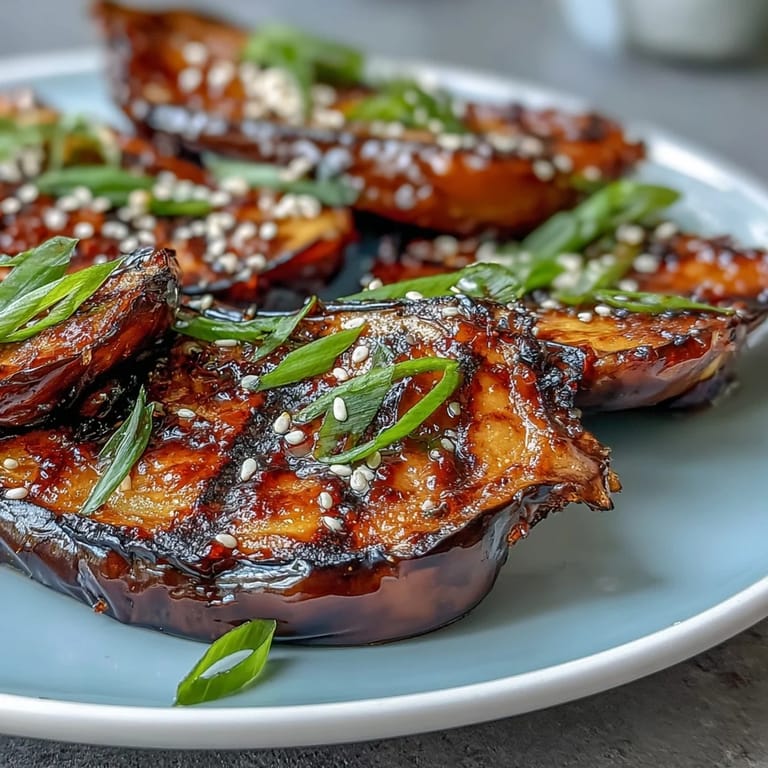
 A quiet afternoon transformed when my partner wandered into the kitchen drawn by the aroma of roasting sesame and sweet miso. We ended up sharing the eggplant straight off the pan, forks clinking, somehow making a simple weekday feel like a celebration.
The Power of a Proper Glaze
Getting the miso glaze just thick enough is key—if you cook it gently until it coats your spoon, it’ll spread like an absolute dream across the eggplant. I've found that whisking constantly and not wandering off to check your phone gives the best silky results.
How to Serve Up Miso Eggplant
This dish shines on a big platter at a potluck or as the centerpiece of a laid-back weeknight dinner. I’ve tossed leftovers into rice bowls, noodle salads, and even tucked strips into sandwiches for a savory twist.
What to Watch For
Oven strength varies—sometimes broilers run hotter than you expect, so don't move far while finishing this dish. Watching for that golden brown, bubbling glaze is your best bet. Some days I even use a timer for the final step, just in case.
- Let the eggplant cool for a moment before slicing—it holds its shape better.
- Extra glaze can be drizzled over steamed vegetables or tofu.
- Taste the glaze before broiling; adjust the sugar if you want more caramelization.
 Pin it
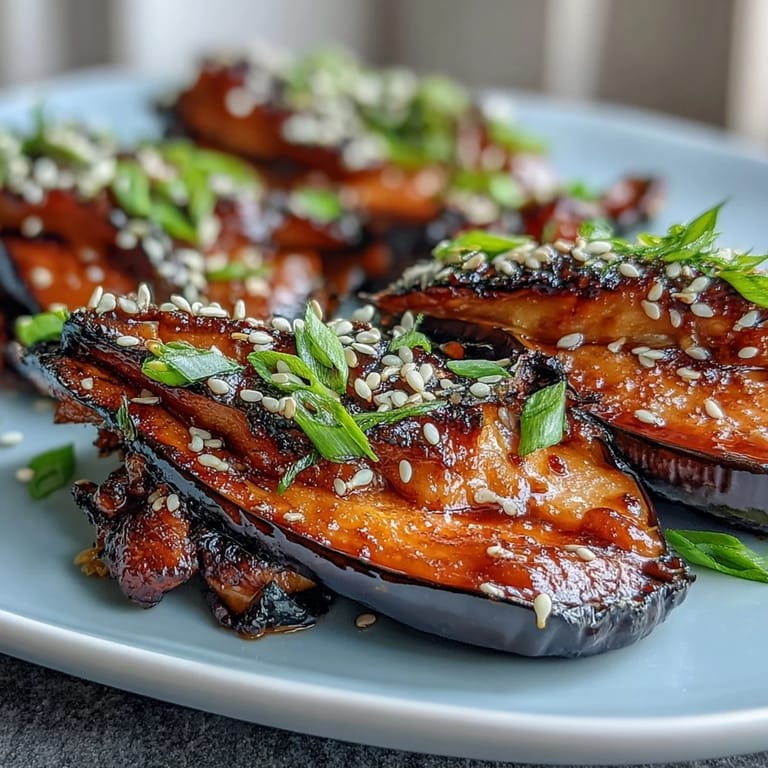
 If you give this recipe a try, I hope it makes your kitchen feel as lively as mine did—share it, riff on it, and savor those golden bites.
Recipe FAQs
- → How do I avoid a bitter eggplant?
Choose firm, glossy eggplants and score the flesh to help steam and soften. Salting and resting can draw bitterness from older or larger varieties, but many modern eggplants are mild enough to roast without salting.
- → Can I use a different type of miso?
Yes. White (shiro) miso gives a gentle sweetness; awase or light red miso will lend deeper umami and a stronger, saltier flavor. Adjust sugar slightly if using stronger miso to balance the glaze.
- → What works as a mirin substitute?
Use a mixture of rice vinegar and a pinch of sugar (about 1 tbsp rice vinegar + 1 tsp sugar) to mimic mirin's sweet-tart profile, or use a low-alcohol mirin-style seasoning if available.
- → Tips for getting a nicely caramelized glaze?
Broil on high with the eggplant close to the heat source and watch constantly. A slightly thicker glaze with sugar helps caramelization; remove as soon as bubbling and bronzing appear to prevent burning.
- → How can I make this gluten-free or vegan?
Use tamari or a certified gluten-free soy alternative in place of soy sauce, and verify miso and sake labels for gluten and animal-derived additives to keep it vegan-friendly.
- → What are good serving suggestions?
Serve warm over steamed rice, alongside pickled vegetables, or as part of a spread of small plates. Garnish with toasted sesame and sliced green onions for contrast.