 Pin it
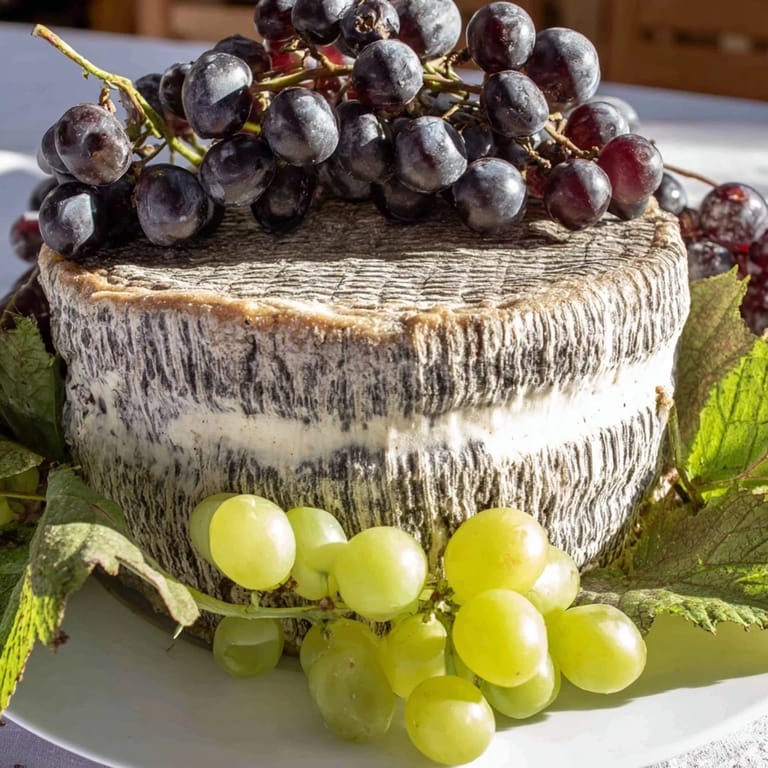
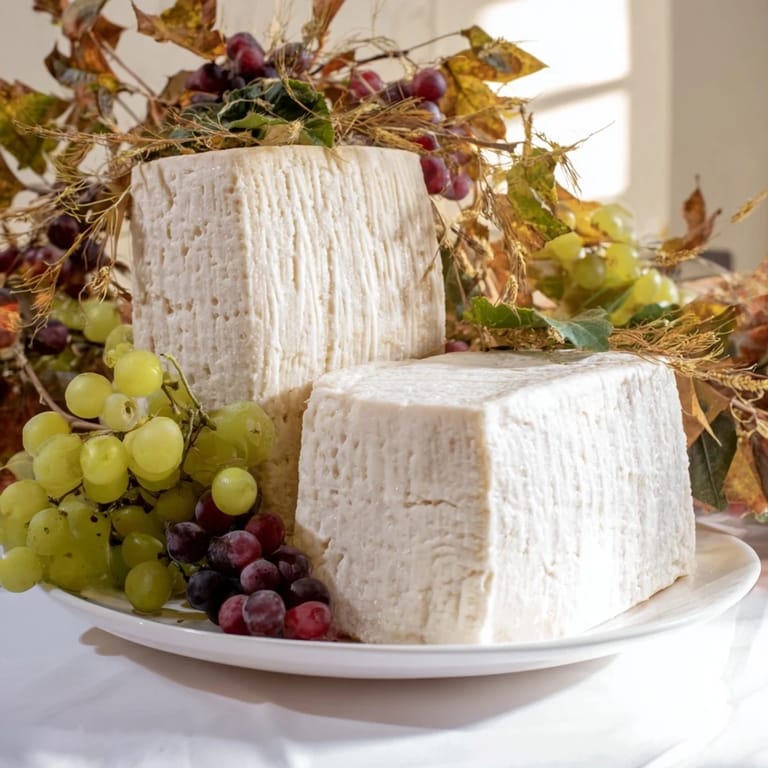
 The first time I arranged grapevines across a cheese board, I wasn't even sure it would work. My hands were shaking slightly as I draped the woody stems over those pale wheels of farmhouse cheese, wondering if I was about to create something beautiful or just make a mess. But then the late afternoon light caught the leaves just right, and suddenly the whole thing glowed like a tiny vineyard had sprouted on my wooden board. That was the moment I realized this dish isn't really about the cooking at all—it's about creating a moment where people pause and smile before they even taste anything.
I made this for a small gathering last autumn, and I watched my neighbor—someone I barely knew—sit down, look at the board, and just go quiet for a moment. She started pulling grapes off the vine with her fingers, pairing them with these little slivers of cheese, and she kept saying "this is how it's supposed to taste." That stuck with me, the idea that sometimes a dish teaches people how to slow down and really notice what they're eating.
Ingredients
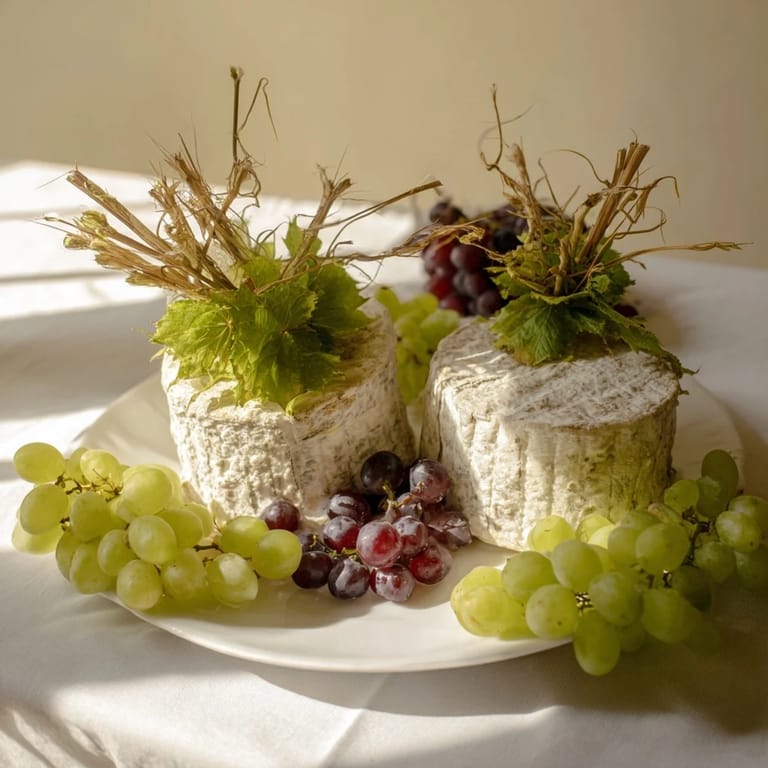
- Young, rustic cheese (2 large wheels, about 1.5 kg each): Look for tomme, young pecorino, or farmhouse varieties that still have that delicate, almost crumbly texture—they're forgiving and photograph beautifully, plus they soften just slightly at room temperature.
- Grapevine branches (3–4 long, untreated): The vines are the stage here, so hunt for ones with leaves still attached and interesting curves; untreated is non-negotiable for safety.
- Fresh grapes (500 g, red, green, or mixed): Leaving them on the stem makes them easier to pick at and adds to the vineyard aesthetic you're building.
- Baguette or rustic country bread: Sliced thick enough to hold up to the cheese but thin enough to taste the grain.
- Assorted nuts (100 g): Walnuts and almonds add a gentle crunch that echoes the cheese's texture.
- Dried fruits (100 g): Figs and apricots bring a whisper of sweetness that plays beautifully against the cheese's savory notes.
Tired of Takeout? 🥡
Get 10 meals you can make faster than delivery arrives. Seriously.
One email. No spam. Unsubscribe anytime.
Instructions
- Lay Your Foundation:
- Start by arranging those grapevine branches across your wooden board in a way that feels natural to you—let them curve and overlap, creating little pockets where the cheese will nestle. You're not aiming for perfect symmetry here; vineyard-style means a little wild.
- Position the Cheese:
- Set the cheese wheels where the vines frame them best, letting some leaves drape across the edges so they catch the light.
- Weave in the Grapes:
- Tuck clusters of grapes throughout the arrangement, especially in the spaces between the vines and around the cheese—they should look like they're growing there naturally, not placed.
- Add the Supporting Cast:
- Arrange your bread slices and nuts and dried fruits in small, easy-to-reach piles around the perimeter, leaving room for people to move things around as they eat.
- Serve and Watch:
- Set it out at room temperature, hand people a sharp knife or two, and let them discover the flavors as they cut, pair, and taste their way through the board.
 Pin it
 There's a moment that happens almost every time I make this, usually about halfway through the meal, when someone will reach for a piece of cheese and a grape at the exact same time, and their face lights up like they've just figured out something important. That's when I know it's worked—when eating becomes a small, deliberate act instead of just something you do on autopilot.
The Story of Simplicity
What took me years to understand is that the most memorable dishes are often the ones where nothing is hidden or fussed with. The cheese here doesn't need a glaze or a coating; the vines don't need arranging into some Instagram-perfect spiral. They're invited to be exactly what they are, and somehow that honesty is what makes people stop talking and start paying attention.
Pairing and Serving
I've learned that this dish becomes a different experience depending on what's beside it. A crisp white wine with good acidity cuts through the richness of the cheese in a way that makes both taste sharper, clearer. A lighter red wine—something young and fruity—echoes the grapes and creates this conversation between what's on the plate and what's in your glass. Even sparkling water works if you want people focused purely on the food.
Making It Your Own
The real gift of this dish is how much room it leaves for your taste and what you can find. I've made it with honey drizzled lightly across the cheese, and I've made it with just a careful pour of local olive oil that pools slightly in the creases. Both times felt completely different, like the same dish learning to speak in different accents. The vines stay the center, but everything else can shift based on what's speaking to you that day.
- If honey feels right, warm it just slightly so it flows easily and looks intentional, not accidental.
- Olive oil should be good enough to taste on its own—this is not the moment for the everyday bottle hiding in the back of your cabinet.
- Consider what's in season when you make this; autumn grapes taste completely different from summer ones, and both are right.
 Pin it
 This dish taught me that feeding people sometimes means creating a space where they can experience something simple as if it's the first time they've ever tasted cheese and grapes together. That's a small kind of magic, and it's always worth the effort.
Recipe FAQs
- → What types of cheese work best for this board?
Young, rustic cheeses like tomme, young pecorino, or farmhouse varieties provide the ideal texture and flavor for this display.
- → How should the grapevines be prepared?
Use untreated, organic grapevine branches washed and dried thoroughly to maintain freshness and safety.
- → Can I substitute grape leaves for the grapevines?
Yes, if full grapevine branches aren't available, grape leaves offer a similar rustic aesthetic and fresh aroma.
- → What accompaniments complement this cheese and grape presentation?
Rustic country bread, assorted nuts like walnuts or almonds, and dried fruits such as figs or apricots enhance both flavor and texture.
- → Is this dish suitable for special diets?
It caters well to vegetarian and gluten-free preferences, especially if bread is omitted or substituted with gluten-free options.