 Pin it
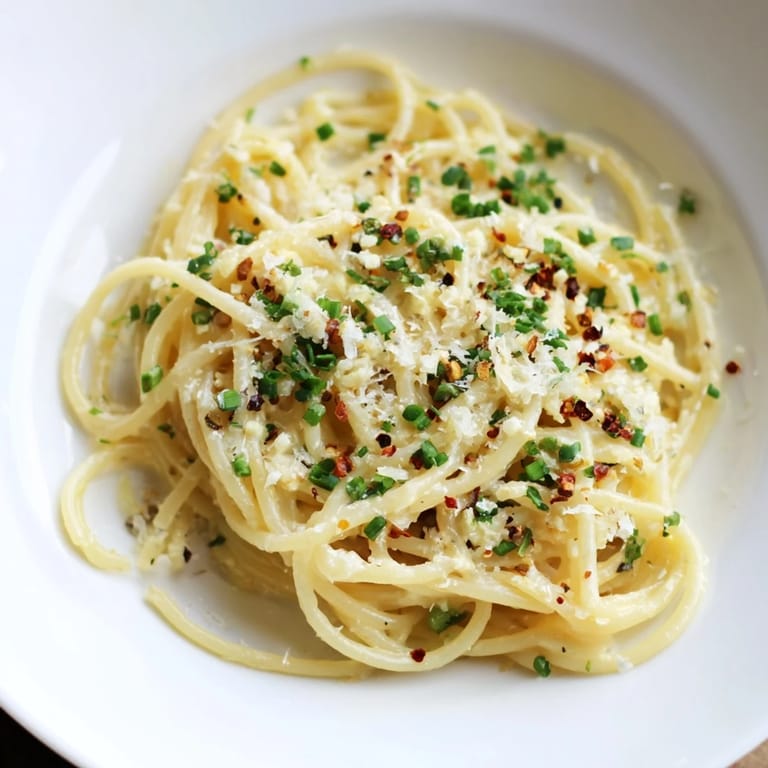
 I discovered miso butter pasta on a quiet Thursday night when my pantry felt embarrassingly bare and I had maybe twenty minutes before hunger won out. There was butter, there was white miso I'd bought on impulse weeks ago, and a box of linguine that had seen better days. What happened next wasn't planned—it was one of those kitchen accidents that turn into favorites, where umami and richness collided in a way that made me stop mid-bite and think: how is this so good?
The first time I made this for someone else was on a weeknight when my roommate came home looking defeated by their day. I didn't announce what I was making, just had a warm bowl waiting when they walked into the kitchen. They took one forkful and asked for the recipe before they'd finished. That's when I knew this wasn't a random weeknight scramble anymore—it was something worth repeating.
Ingredients
- Spaghetti or linguine (350 g): Use whatever pasta shape you love, but thinner strands work better here because they coat faster and hold the buttery sauce like silk holding water.
- Unsalted butter (60 g): Cold butter matters less than you'd think, but softened butter mixes with miso like it was always supposed to be together, no lumps.
- White miso paste (2 tbsp): This is the secret ingredient that tastes like umami decided to show up in your pasta bowl. Trust it even if you've never cooked with miso before.
- Extra-virgin olive oil (2 tbsp): This keeps the garlic from browning before the miso butter joins the party and adds its own gentle richness.
- Garlic cloves (4), finely minced: The fragrance tells you everything—when it smells warm and toasted, you're at the exact right moment to add the miso.
- Freshly ground black pepper (1 tsp): Fresh ground makes a difference here because you'll taste every speck against the creamy backdrop.
- Red pepper flakes (1/4 tsp): Optional, but a whisper of heat wakes up the whole dish and keeps it from feeling too one-note.
- Grated Parmesan cheese (40 g): Don't use the pre-shredded stuff if you can help it; freshly grated tastes brighter and melts better into the warmth.
- Fresh chives or scallions (2 tbsp, chopped): These are the moment the dish goes from good to alive, adding a grassy freshness that cuts through the richness.
- Lemon wedges: A squeeze just before eating brings everything into focus, like putting on glasses you didn't know you needed.
Tired of Takeout? 🥡
Get 10 meals you can make faster than delivery arrives. Seriously.
One email. No spam. Unsubscribe anytime.
Instructions
- Start the pasta water and get organized:
- Fill a large pot with water and salt it until it tastes like the sea. This is where the pasta learns flavor from the very beginning. While you're waiting for the water to boil, mince your garlic and measure everything out because once things start moving, they move fast.
- Cook the pasta until just right:
- Drop the pasta in when the water's rolling hard, and cook it to al dente, which means it has a tiny bit of resistance when you bite it. Before you drain it, scoop out a mug of that starchy cooking water—it's liquid gold for making the sauce silky.
- Make the miso butter foundation:
- While the pasta's cooking, soften your butter and miso paste together in a small bowl until they're smooth and creamy. No lumps, no separation—just pure umami potential waiting to happen.
- Wake up the garlic gently:
- Pour olive oil into a large skillet over medium heat and add the minced garlic, stirring constantly. After about a minute, when the kitchen smells like golden, toasted garlic, you'll know it's ready—this is not the time to walk away and check your phone.
- Bring everything into the sauce:
- Turn the heat down to low and add that miso butter mixture, stirring slowly until it's melted and married with the garlic oil. The sauce should look glossy and unified, not separated or broken.
- Toss the pasta into the magic:
- Add your drained pasta to the skillet and gently toss it to coat everything evenly. If it looks dry, add a splash of that reserved pasta water—do this slowly and you'll watch the sauce transform into something silky that clings to every strand like it belongs there.
- Season and finish:
- Crack fresh black pepper over everything and add red pepper flakes if you want a bit of heat. Remove the skillet from heat, sprinkle the Parmesan over the top, and toss once more so the cheese melts into the warmth without cooking further.
- Plate and brighten:
- Serve it immediately while it's still warm and saucy, topped with fresh chives and a generous squeeze of lemon juice that brings the whole thing into sharp focus.
 Pin it
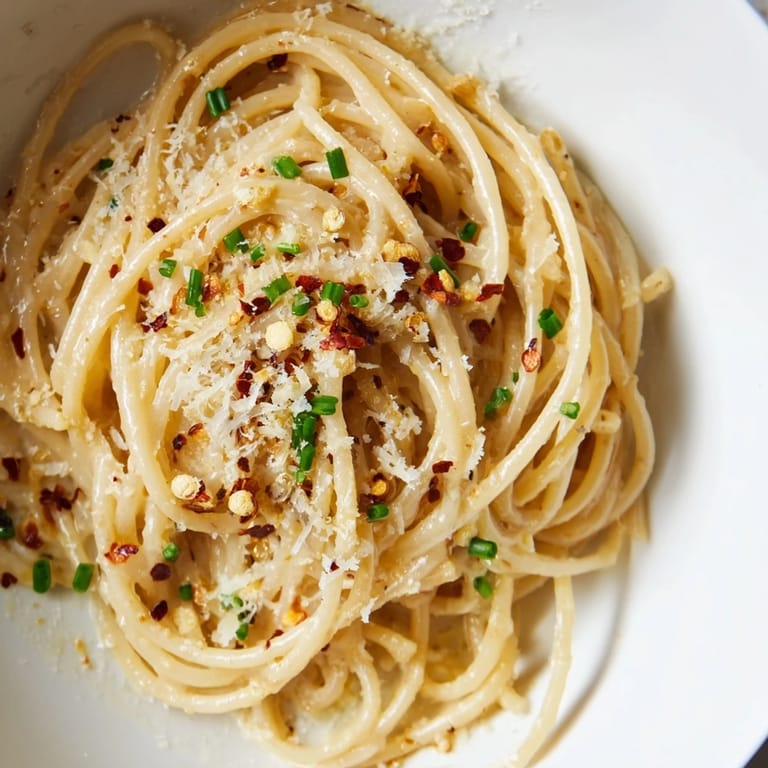
 There's a moment every single time I make this when the butter and miso and garlic come together in the pan, and the smell that rises up is so rich and complicated that it stops me mid-motion. That's the moment I remember why this dish matters—it's proof that sometimes the simplest ingredients, treated with a little attention, become something that tastes like you've been thinking about it for weeks.
The Magic of Miso in Unexpected Places
Miso paste is usually hiding in soup or used in traditional Japanese cooking, but the moment I started thinking of it as just another flavor builder instead of a strict ingredient with rules, whole new possibilities opened up. White miso especially has this gentle sweetness and deep salty complexity that makes butter taste even more like butter, like someone turned up the volume on richness. Once you understand that miso is basically concentrated umami, you'll start seeing it as a secret weapon for making ordinary ingredients taste extraordinary.
Variations That Actually Work
The beauty of this sauce is how much it welcomes company without losing itself. Sautéed mushrooms add an earthy depth that doubles down on the umami, while wilted spinach or steamed broccoli bring brightness and texture without fighting the sauce for attention. A poached or soft-boiled egg cracked over the top adds richness and a silky yolk that becomes part of the sauce, though honestly, the pasta is so good on its own that these additions are more about what you're in the mood for rather than what it needs.
Timing and Temperature Matter
This is a dish that hates being rushed after plating, so have your bowls ready and your people at the table before you start tossing the pasta with the sauce. The residual heat from the skillet keeps everything warm just long enough if you move quickly, but once it sits, the sauce stops clinging and starts pooling, which is a completely different experience. If you're making this for guests, cook everything right before they sit down—it takes twenty-five minutes total, and the payoff is worth the timing dance.
- Don't let the pasta water cool completely—you want it warm so it integrates smoothly into the sauce instead of shocking it with cold.
- If you need to hold the pasta for a minute or two, toss it with just a tiny drizzle of oil to keep it from sticking while you finish other things.
- Taste the sauce at the end before adding more pepper or salt, because miso and Parmesan are both assertive and the last thing you want is to oversalt something this delicate.
 Pin it
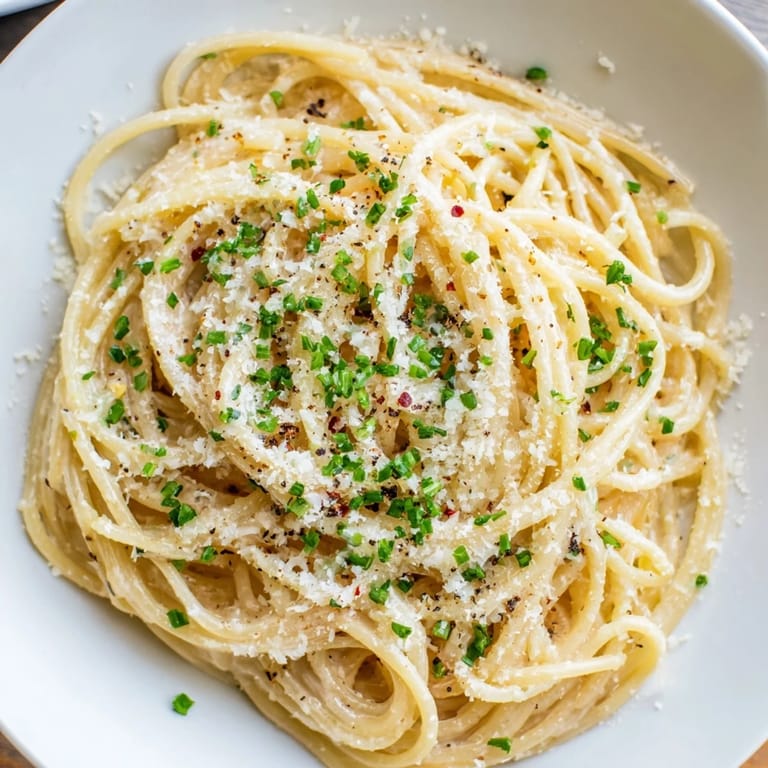
 This pasta is one of those dishes that reminds you that good cooking doesn't require fancy ingredients or hours of time—it just requires paying attention to what you already have. Every time I make it, I'm grateful for that Thursday night when my pantry nearly empty turned into one of my most-repeated dinners.
Recipe FAQs
- → What type of pasta works best for this dish?
Spaghetti or linguine are ideal as they hold the miso butter sauce well and maintain a nice texture.
- → Can I make the miso butter sauce ahead of time?
Yes, you can prepare the miso butter mixture in advance and refrigerate it. Bring it to room temperature before use for easier blending.
- → How do I adjust the heat level of the dish?
Adding red pepper flakes offers a gentle kick; omit or reduce the amount for milder flavors.
- → Are there suitable substitutions for Parmesan?
Nutritional yeast works well as a dairy-free alternative, especially when paired with plant-based butter for a vegan option.
- → What additional ingredients complement this dish?
Sautéed mushrooms, wilted spinach, or steamed broccoli add texture and balance, enhancing the overall meal.
- → How should I store leftovers?
Keep leftovers in an airtight container in the refrigerator and consume within 2 days. Reheat gently to preserve texture.