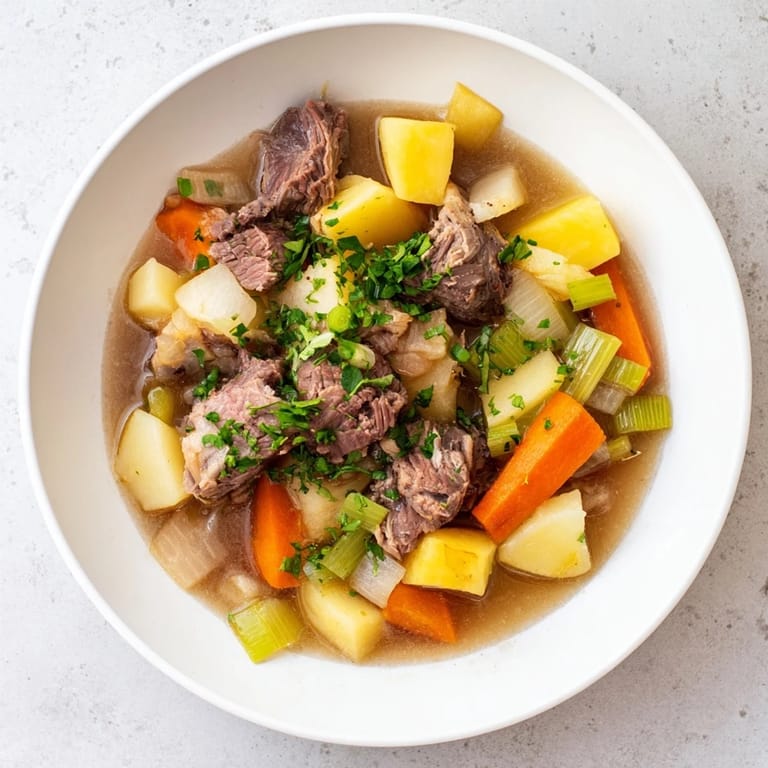
 Pin it
 My grandmother's kitchen smelled like this stew year-round, but it was autumn when she taught me that cawl isn't just about throwing ingredients in a pot—it's about patience, about letting the lamb slowly surrender its richness into the broth while the vegetables become so tender they practically dissolve on your tongue. She'd wake me early on cold mornings, and by the time I'd finished my tea, the whole cottage was warm and filled with this unmistakable aroma of lamb, leeks, and earth. This is the kind of stew that tastes like home, like Wales, like someone who loves you very much made you something to stick to your ribs.
I made this for my friends during the first real freeze of winter, and watching them huddle around the table, spoons clinking, nobody saying much of anything—just eating—I realized this dish does something special. It doesn't show off; it just takes care of people. That's when I understood why my grandmother made it so often.
Ingredients
- Lamb shoulder, 1 kg (2.2 lbs), cut into large chunks: Bone-in pieces give the broth a deeper, richer flavor that boneless lamb simply can't match, and they'll fall apart into the most tender morsels after two hours of gentle simmering.
- Carrots, 2 large, peeled and sliced: They sweeten the broth naturally and become silky soft, their sweetness balancing the savory lamb beautifully.
- Parsnips, 2 medium, peeled and sliced: These add an earthy sweetness that's distinctly Welsh and create a starch that naturally thickens the broth without flour.
- Potatoes, 2 medium, peeled and diced: They absorb the flavors around them and become creamy when cooked this long, giving the stew body and substance.
- Swede (rutabaga), 1 small, peeled and diced: This vegetable is essential to authentic cawl—it adds a subtle sweetness and keeps its shape even after long cooking.
- Leeks, 2, cleaned and sliced: Split them lengthwise and rinse thoroughly between the layers to remove hidden grit, then slice into half-moons—they're the backbone of the dish, tender and mild.
- Onion, 1 medium, diced: It disappears into the broth, building flavor without any sharp bite remaining.
- Stock, 1.5 liters (6 cups), chicken or lamb: Use good stock; it's what transforms simple ingredients into something memorable, so don't skimp here.
- Bay leaves, 2: They perfume everything with a subtle herbal note that you'll feel but not consciously taste.
- Fresh parsley, 1 small bunch, chopped: Add half during cooking for depth and reserve the rest for garnish to bring brightness to each bowl.
- Salt and freshly ground black pepper, to taste: Taste often as it cooks—the flavors concentrate, so what seems right at the beginning may need adjustment at the end.
Tired of Takeout? 🥡
Get 10 meals you can make faster than delivery arrives. Seriously.
One email. No spam. Unsubscribe anytime.
Instructions
- Build Your Base:
- Place the lamb chunks into your largest, heaviest-bottomed pot and pour the stock over them until they're submerged. Bring everything to a rolling boil, then watch the surface carefully—grayish foam will rise up, and you want to skim this away with a spoon or small ladle because it's impurities that will cloud your finished broth.
- Start the Gentle Simmer:
- Add your bay leaves, turn the heat down to low, and cover the pot partially with a lid (leave it slightly ajar so steam can escape). Let this go for a full hour without touching it—the lamb needs this time to become tender and to give everything it has to the broth.
- Welcome the Vegetables:
- After that first hour, add your carrots, parsnips, potatoes, swede, onion, and about three-quarters of your sliced leeks (keep a handful back—this is important). Season generously with salt and pepper, stir once, then let it continue simmering gently, covered, for 45 minutes until the vegetables are so tender a fork goes through them like butter and the lamb is practically falling apart.
- Finish with Brightness:
- Stir in your reserved leeks and the chopped parsley, then let everything simmer together for just 10 more minutes—this final time allows the fresh leeks to soften slightly while the parsley releases its fresh, green note. Fish out the bay leaves, taste the broth, and add more salt and pepper if it needs it.
- Serve with Warmth:
- Ladle the stew into deep bowls, making sure each one gets meat, vegetables, and plenty of broth, then scatter a little extra parsley on top and serve immediately with crusty bread or alongside a piece of sharp Welsh cheese like Caerphilly if you're being traditional.
 Pin it
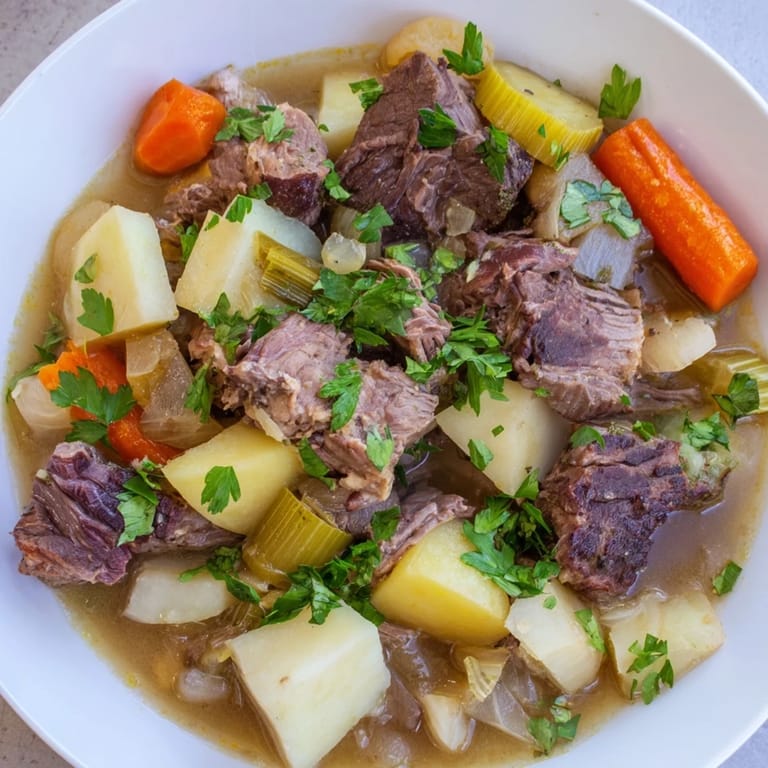
 There's a moment about halfway through cooking when you lift the lid and the steam hits your face and you just know something good is happening—that's when I usually call whoever I'm cooking for and tell them to come sit in the kitchen. That's when cawl stops being a recipe and becomes an event.
The Soul of Welsh Cooking
This stew represents something fundamental about Welsh cooking: it doesn't fuss, it doesn't pretend, and it absolutely refuses to be rushed. There's no cream, no wine, no complicated techniques—just quality ingredients treated with respect and given time. That simplicity is where all the power lives, and once you understand that, you start seeing it everywhere in traditional cooking from cooler climates where people needed food that would sustain them through long winters.
Variations That Still Honor Tradition
I've made this with beef when lamb felt too heavy, and it's lovely—darker, slightly earthier—though it won't have quite the same richness. Chicken makes it lighter and faster, ready in about an hour total, which is perfect when you're short on time but still want that cozy, one-pot comfort. Some versions skip the swede entirely or add extra leeks to make them the real star; the structure is flexible enough to bend around what you have in your kitchen.
Making It Your Own
The magic of cawl is that it's been made hundreds of different ways by hundreds of different Welsh cooks, each adding their own small touches. I've learned to trust my instincts here—if you love root vegetables, add more; if you want it brothier, add extra stock; if parsnips aren't your thing, leave them out entirely.
- A splash of cider vinegar at the very end brightens everything if the broth tastes flat.
- Thyme or rosemary added with the bay leaves brings an herbal note, though not traditional, some cooks swear by it.
- Save the cooking liquid after you've eaten and freeze it separately—it's liquid gold for soups and stews all winter long.
 Pin it
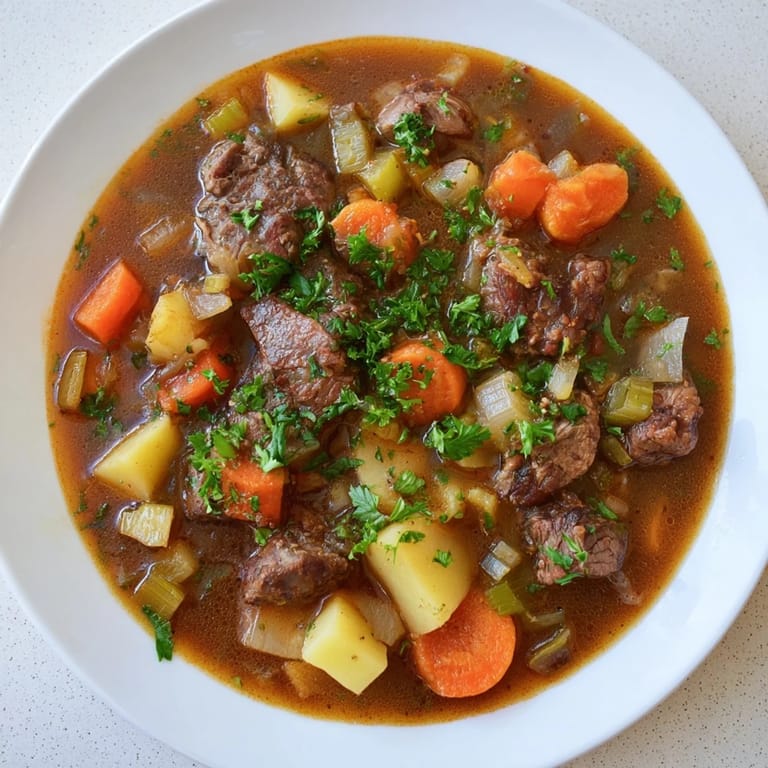
 This is the kind of stew you make when you want to show someone you care, or when you need to remind yourself that good food doesn't have to be complicated to be memorable. It's a recipe worth knowing by heart.
Recipe FAQs
- → What cut of meat works best for this stew?
Lamb shoulder, preferably bone-in, is ideal as it becomes tender and flavorful during long, slow cooking.
- → Can I prepare this dish in advance?
Yes, letting it rest overnight in the fridge deepens the flavors, making it even more delicious when reheated.
- → What vegetables are traditionally used?
Carrots, parsnips, potatoes, swede, leeks, and onion create the classic root vegetable base of this hearty dish.
- → How is the stew thickened or enriched?
The natural starches from the root vegetables soften and slightly thicken the broth during simmering; no additional thickening is typically needed.
- → What are good accompaniments for serving?
Crusty bread or traditional Welsh cheese, such as Caerphilly, complement the flavors and textures well.
- → Is it possible to substitute the lamb?
For a lighter variation, lean lamb, beef, or chicken can be used without losing the dish’s comforting qualities.