 Pin it
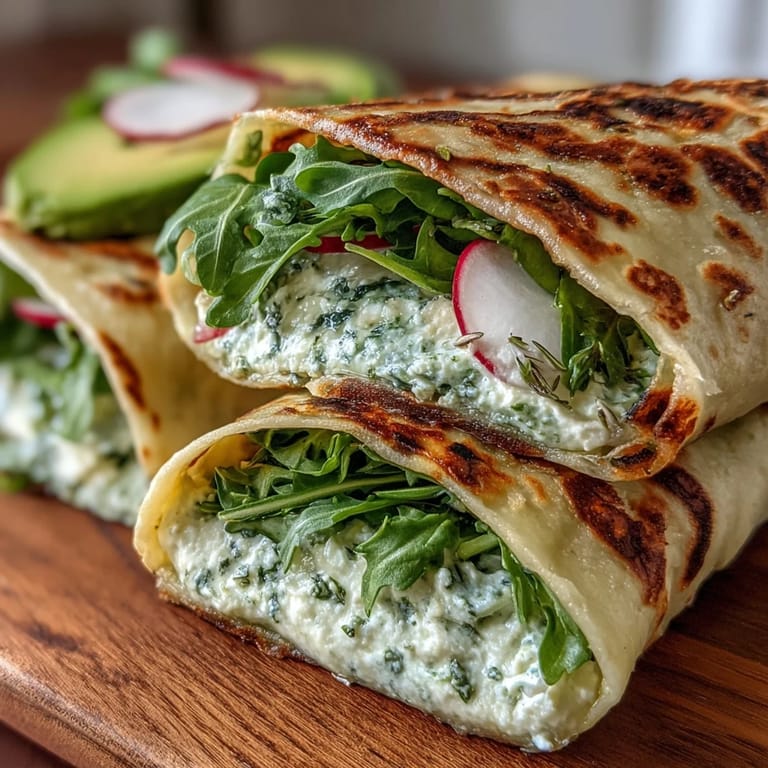
 The first time I stumbled across the cottage cheese flatbread trend I was scrolling my phone in the kitchen waiting for my coffee to brew. With only cottage cheese and eggs in the fridge the idea of a two-ingredient, gluten-free bread felt like eavesdropping on a useful secret. My curiosity got the better of me—could it really be that simple? I set my doubts aside and decided to give it a go, half-expecting a kitchen disaster, but ended up with tender, warm flatbreads that actually smelled inviting. It’s since become an unexpected staple on lazy weekend mornings when hunger hits and bread supplies run thin.
One afternoon my partner poked their head into the kitchen, drawn by the sound of the blender chugging away. I remember waving a spatula covered in batter and joking it was a science experiment, not lunch. When the flatbreads finally came out of the oven and peeled cleanly off the parchment I couldn’t resist handing one over before it even cooled down. Their look of confusion turning to surprise after a taste was honestly pretty gratifying. These little rounds are now a go-to for quick lunches when we both feel too lazy to leave the house.
Ingredients
- Cottage cheese: Smooth results come from blending thoroughly—I’ve found that even small curds disappear with a powerful blender, though full-fat versions will give the softest texture.
- Eggs: The backbone of these flatbreads—room temperature eggs blend more easily, making your batter silky and lump-free.
Tired of Takeout? 🥡
Get 10 meals you can make faster than delivery arrives. Seriously.
One email. No spam. Unsubscribe anytime.
Instructions
- Line and Prep:
- Preheat the oven to 350°F (175°C) and line your tray with parchment—trust me, you don’t want any sticking mishaps.
- Blitz the Batter:
- Add your cottage cheese and eggs to a blender or food processor and blend until absolutely smooth—aim for a texture that pours easily like pancake batter.
- Shape Them Up:
- Pour the batter into 3 or 4 rounds on your parchment, or one big rectangle, using a spatula to spread them about 1/4-inch thick—don’t worry about perfect shapes.
- Bake and Watch:
- Slide the tray into the oven and bake for 18–22 minutes until the flatbreads are golden at the edges and just set in the middle.
- Peel and Cool:
- Let everything cool just a few minutes, then gently peel up each flatbread—the parchment should release cleanly if all went well.
- Serve & Store:
- Enjoy them warm or at room temperature, and store leftovers in an airtight container in the fridge for up to 3 days.
 Pin it
 I took the first cooled flatbread, tore off a steaming piece, and ended up eating it plain over the sink—its subtle warmth and eggy aroma oddly comforting after a long morning. Since then, I’ve shared this recipe with friends after yoga class and watched their skepticism turn into genuine enthusiasm after that first bite.
Getting Creative with Flavors
Experimenting with the batter is half the fun; sometimes I toss in chives, smoked paprika, or a pinch of za’atar for a little surprise. Even a sprinkle of black pepper or dried oregano can change the vibe, and you don’t need to measure—just a dash works. I once grated a bit of lemon zest and it added a lightness I didn’t expect. If I’m feeling bold, I’ll scatter a few sesame seeds on top before baking—makes it feel almost like a bakery flatbread.
Perfect Pairings and Uses
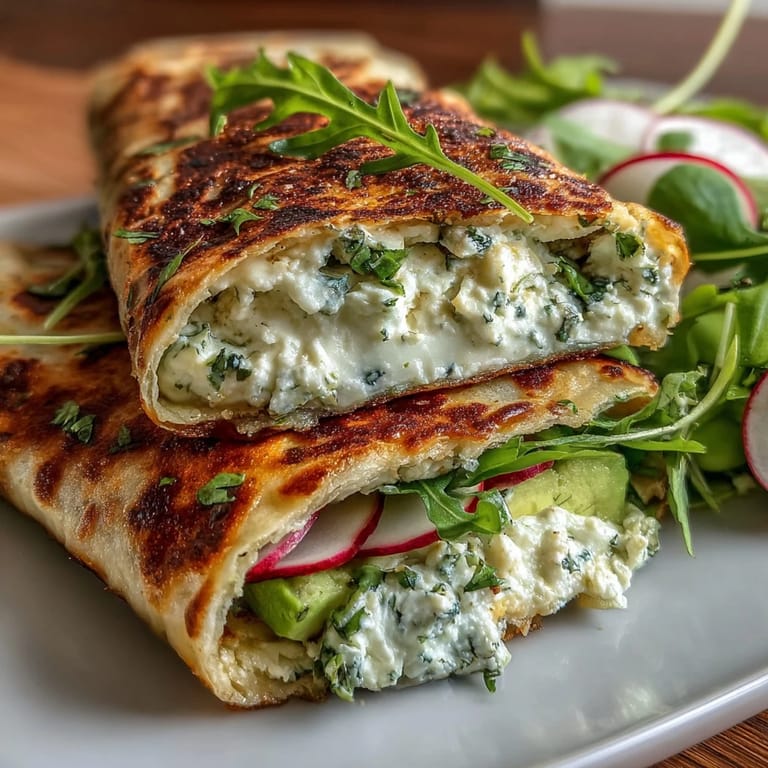
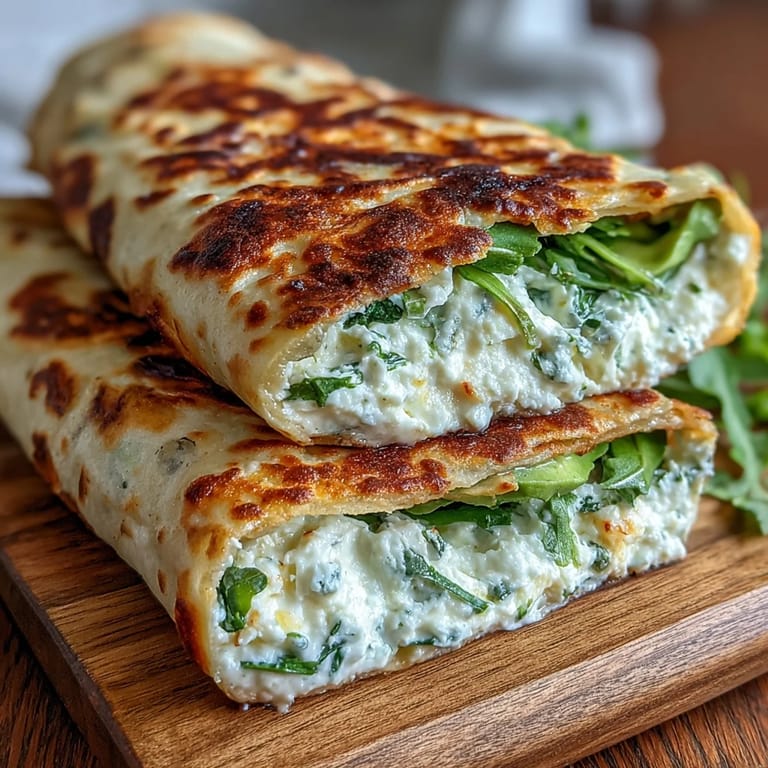
I’ve found these flatbreads perfect for mopping up soup, cradling soft scrambled eggs, or wrapping up last night’s leftover roasted vegetables. Their supple texture means you can roll them or fold them without fear of cracking. One rainy day, I even used a cooled piece as a base for homemade pizza—topped with pesto and roasted tomatoes, it was an impromptu lunch that felt far fancier than it should. Even plain, with a quick swipe of salted butter, these flatbreads hit the spot.
Troubleshooting and Quick Fixes
Every so often, I get distracted and pour the batter a bit too thick; it just means the flatbreads need a few more minutes in the oven, so don’t panic. If you ever find them sticking, let them cool another minute and gently work a spatula underneath—they nearly always lift off without drama when you wait. And for reheating, the skillet wins for reviving that just-baked softness.
- If the edges bake too quickly, rotate the tray halfway through.
- Use parchment, never foil, as nothing else peels away as cleanly.
- Wrap them warm in a kitchen towel to keep them pliable for assembling wraps.
 Pin it
 For something so quick, these cottage cheese flatbreads have a way of making you feel resourceful and a little clever in the kitchen. Hope you enjoy discovering their many possibilities and find your own favorite twist along the way.
Recipe FAQs
- → Can I make a dairy-free version?
Use a dairy-free cottage cheese substitute, keeping in mind texture differences may affect structure. You may need to adjust baking time and expect a looser crumb.
- → Is a blender necessary?
A blender or food processor helps achieve a completely smooth batter quickly; a whisk and vigorous mixing can work but may leave small curds and change the final texture.
- → How do I get crispier edges?
Spread rounds a touch thinner and bake until edges are lightly golden; finishing briefly in a hot skillet can add extra crispness without drying the center.
- → What are good toppings or uses?
Use as a wrap for fillings, a base for quick personal pizzas, or as sandwich bread. Add herbs, garlic powder, or grated cheese to the batter for extra flavor.
- → How should leftovers be stored and reheated?
Keep cooled flatbreads in an airtight container in the refrigerator for up to 3 days. Reheat in a skillet for a few minutes or warm gently in the oven to restore flexibility.
- → Can I double the batch?
Yes—double the ingredients and spread batter in batches or on larger sheets, watching bake time closely as thickness and oven load can affect doneness.