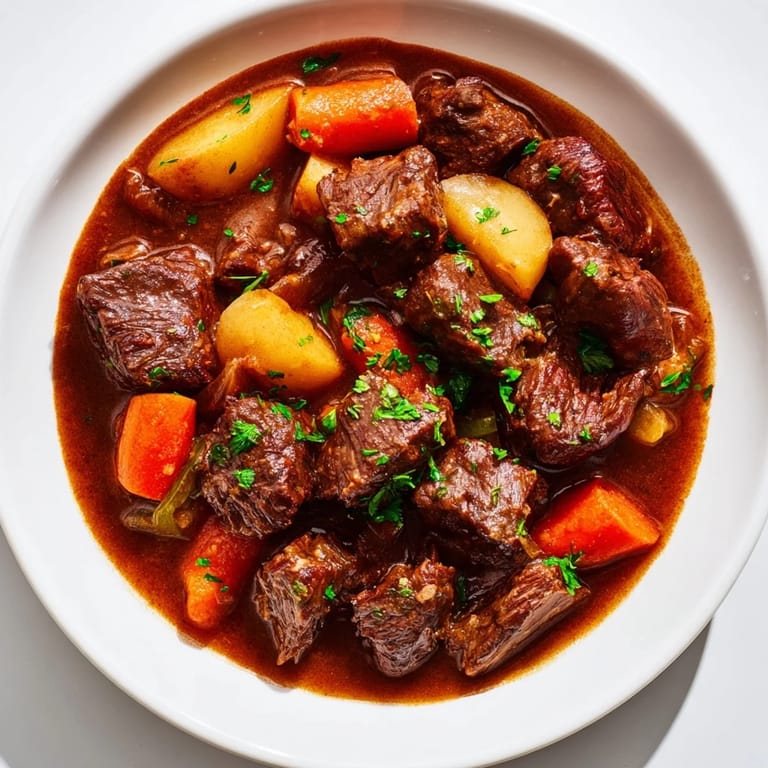
 Pin it
 There's something about a pot of Irish beef stew that stops time. My uncle taught me to make this years ago, standing in his Dublin kitchen on a grey afternoon, the kind where rain taps against the windows and you need something warm in your hands. He didn't measure much, just trusted his instincts and a handful of herbs. I've since learned the patience it takes—the slow simmer, the way the beef transforms from tough to silk, how the potatoes quietly thicken the broth. It's become my recipe for when the world feels too complicated.
I made this for a dinner party once when I was nervous about impressing my partner's parents. I timed it wrong, panicked, and threw it in the oven to finish instead of the stovetop. Somehow it turned out even better—the oven's gentle, even heat made the vegetables practically melt. Now I don't worry about timing anymore. This stew forgives small mistakes and rewards patience.
Ingredients
- 1.5 kg beef chuck, cut into 2-inch cubes: Chuck is your friend here—it's full of connective tissue that becomes gelatin during the long simmer, which is what gives the broth its silky texture. Don't use lean cuts like sirloin.
- 4 large potatoes, peeled and cut into chunks: Use waxy potatoes like Yukon Gold if you can find them; they hold their shape better than starchy ones, and they'll also help thicken the broth naturally as they cook.
- 4 large carrots, peeled and sliced: Cut them on a slight angle so they cook evenly and look a bit more intentional in the bowl.
- 2 large onions, chopped: These are your flavor base; don't skip the step of cooking them properly, as it builds the foundation for everything else.
- 2 celery stalks, sliced: Celery adds a subtle savory note that grounds the whole dish and prevents it from tasting one-dimensional.
- 3 cloves garlic, minced: Mince it fine and add it late so it doesn't burn, which would make the stew taste bitter.
- 1.2 liters beef stock: Use homemade if you can, or a good-quality store-bought stock; weak stock makes weak stew.
- 330 ml Guinness stout or dark beer (optional): The beer adds depth and a slight bitterness that balances the sweetness of the carrots and potatoes.
- 2 tbsp tomato paste: A small amount adds umami and richness without making the stew taste tomatoey.
- 2 tbsp Worcestershire sauce: This is non-negotiable; it's the secret note that makes people wonder what they're tasting.
- 2 bay leaves, 1 tsp dried thyme, 1 tsp dried rosemary: These three create the classic Irish stew flavor profile—earthy, aromatic, and familiar.
- Salt and freshly ground black pepper: Taste as you go and season at the end; the broth concentrates as it simmers.
- 3 tbsp vegetable oil: You'll need this to get a proper sear on the beef, which is worth the few extra minutes.
- 2 tbsp fresh parsley, chopped: This is purely for color and a fresh note at the end, but it changes how the bowl feels.
Tired of Takeout? 🥡
Get 10 meals you can make faster than delivery arrives. Seriously.
One email. No spam. Unsubscribe anytime.
Instructions
- Dry and season your beef:
- Pat each cube thoroughly with paper towels—moisture is the enemy of browning. Sprinkle generously with salt and pepper and let it sit for a few minutes so the seasonings stick.
- Sear the beef in batches:
- Heat the oil until it shimmers, then add the beef in a single layer. Let each side get golden and crusty before moving it—this takes patience, but it's where the flavor comes from. Don't crowd the pot or the beef will steam instead of sear.
- Soften the aromatics:
- Once the beef is out, add the onions and celery to the same pot and let them sit in the fat for a minute before stirring. They'll release their sweetness as they soften over about 5 minutes. Add the garlic last and listen for it to become fragrant—that's your cue it's done.
- Build the flavor base:
- Stir in the tomato paste and let it toast in the hot pot for a minute; this deepens its flavor. The pot's heat will start to release all those browned bits stuck to the bottom.
- Deglaze with beer:
- Pour in the Guinness if you're using it and scrape the bottom with a wooden spoon, releasing all that caramelized beef flavor. You'll hear it sizzle and the whole kitchen will smell incredible.
- Bring it all together:
- Return the beef to the pot along with the carrots, potatoes, bay leaves, herbs, stock, and Worcestershire sauce. Stir gently so the vegetables don't break apart.
- Simmer slowly and low:
- Bring to a gentle boil, then turn the heat down to maintain a quiet simmer. Cover it and let time do the work—2 to 2.5 hours until the beef pulls apart easily with a fork and the potatoes are creamy. Stir it a few times during cooking so nothing sticks to the bottom.
- Taste and adjust:
- Remove the bay leaves and taste carefully. You might want a pinch more salt, a grind of pepper, or a splash more Worcestershire sauce—trust your palate.
- Serve with care:
- Ladle into deep bowls and scatter fresh parsley on top. Serve with crusty bread for soaking up every drop of broth.
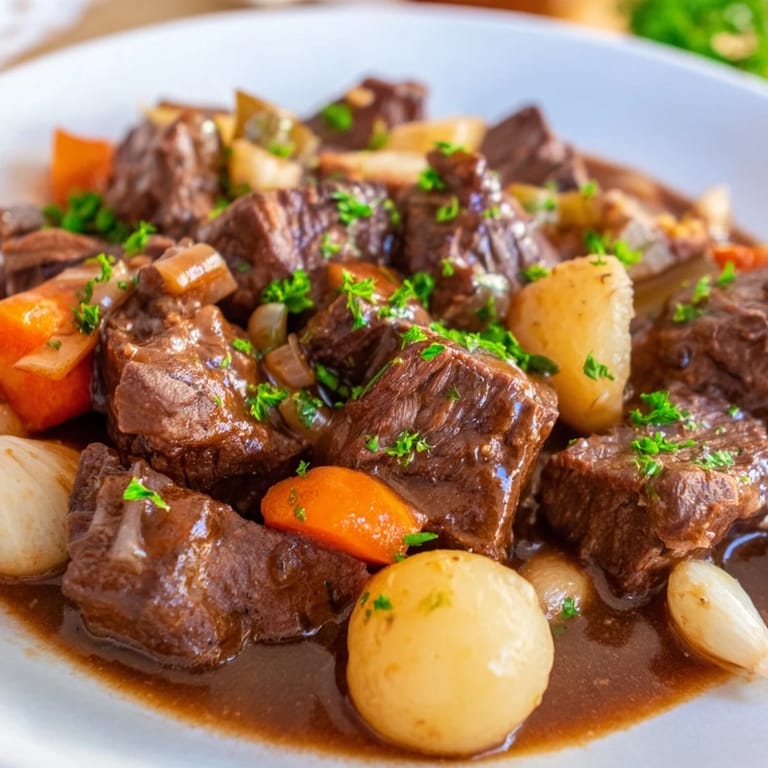 Pin it
 There was a cold January evening when a friend showed up unannounced, heartbroken and quiet, and I had this stew simmering on the stove. We sat at the kitchen table in near silence for an hour, just eating and breathing in the steam. Somehow, that warm, simple bowl did more talking than either of us could have.
Why This Stew Works
Irish beef stew isn't fancy, and that's exactly the point. It works because it respects its ingredients and doesn't try to hide behind technique. The long, slow cooking transforms cheap cuts of meat into something tender, while the potatoes thicken the broth naturally. There's no cream, no complicated steps, just time and heat doing what they do best. It's the kind of meal that tastes like home, regardless of where you're from.
Making It Your Own
This recipe is forgiving enough to bend. Some cooks add a splash of vinegar at the end for brightness, others prefer lamb over beef (which is technically closer to traditional Irish lamb stew). You can skip the Guinness entirely if you prefer—the stew is still delicious, just slightly less complex. The herbs are flexible too; if you don't have rosemary, thyme alone is enough.
Storage and Serving
This stew improves overnight as the flavors settle and deepen. Store it in an airtight container in the refrigerator for up to 4 days, or freeze it for up to 3 months. Reheat gently on the stovetop with a splash of water or stock if needed—the low heat prevents the meat from toughening up. Serve it alongside crusty bread, over mashed potatoes, or with buttered egg noodles if you're feeling less traditional.
- If the stew is too thin when you reheat it, mash a few potato chunks against the side of the pot to release their starch.
- Thick, rich stew is more forgiving than thin soup, so err on the side of less liquid if you're unsure.
- Taste and season again after reheating, as flavors can dull slightly during storage.
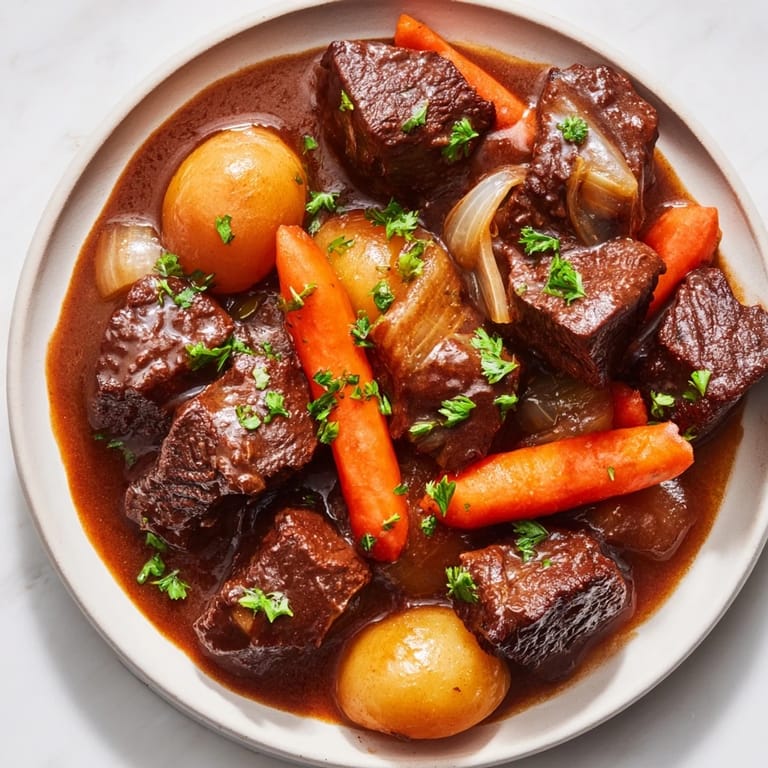 Pin it
 This stew has taught me that the best meals aren't about impressing anyone—they're about showing up with something warm and real. Make this when you need comfort, when you're cooking for people you love, or when you want to prove to yourself that simple things, done right, are always enough.
Recipe FAQs
- → What cut of beef works best?
Beef chuck is ideal due to its marbling and toughness, which breaks down into tender, flavorful pieces during slow simmering.
- → Can the stew be thickened?
Yes, mashing a few potato chunks against the pot's side and stirring in helps naturally thicken the broth.
- → Is the Guinness stout necessary?
Guinness adds depth, but can be omitted or replaced with gluten-free broth for dietary needs without major flavor loss.
- → How long should the stew simmer?
Simmer gently for 2 to 2.5 hours until beef is fork-tender and vegetables soften, ensuring rich flavor development.
- → What herbs enhance the flavor?
Bay leaves, thyme, and rosemary add aromatic earthiness that complements the beef and vegetables well.