 Pin it
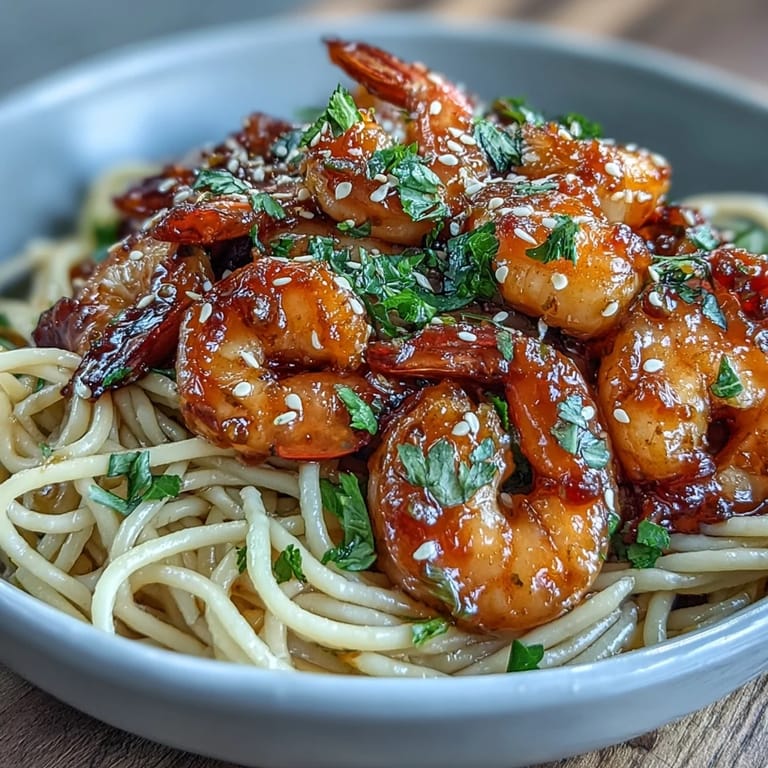
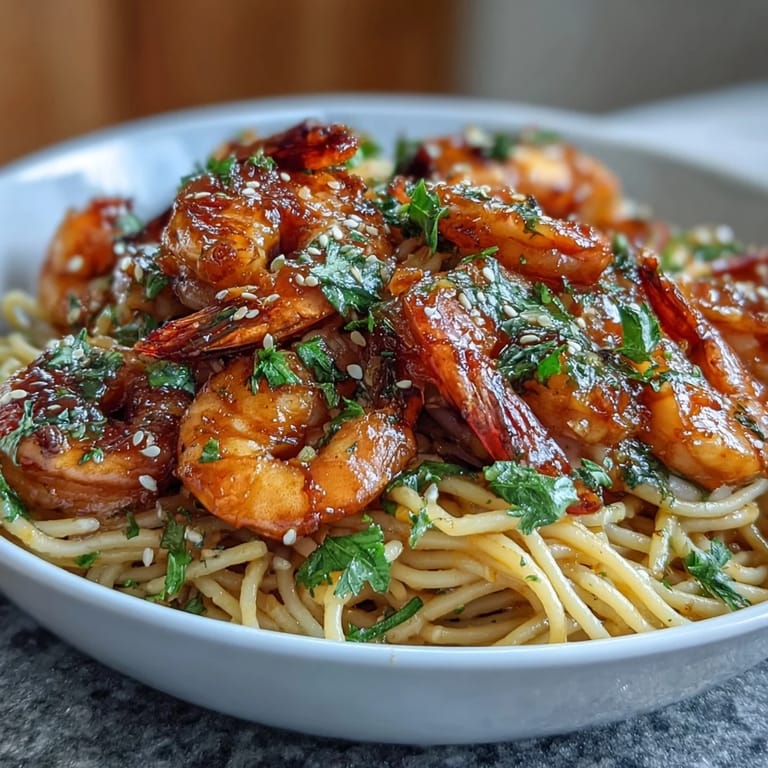
 The first time the smell of garlic sizzling in butter filled my kitchen, I hadn&apost expected it to blend so well with the bold, peppery punch of buldak sauce. There&aposs something about this Garlic Butter Shrimp Buldak Pasta that always sends up a flurry of savory aromatics, each promising serious flavor. Standing by the stove, I often have to rescue a stray noodle from eager hands who can&apost wait. This isn&apost your average pasta night: spicy, buttery, and a bit daring, just the way fusion food should be. Honestly, it&aposs the kind of dish that makes weeknights feel wildly exciting.
I still remember making a double batch for friends on a rainy Saturday; we laughed at our red-sauced faces and raced to see who could handle the heat. The open window let the rain cool things down a little, but our kitchen was a little volcano of spice and stories. Everyone hovered around the stove, stealing tastes straight from the pan and arguing over who got the last shrimp. It was the first time silence fell at the table—everyone too busy savoring to say a word. That afternoon, plates were wiped clean and we all agreed this recipe was a permanent invite to future get-togethers.
Ingredients
- Large shrimp: Choose peeled and deveined shrimp for ease—patting them dry ensures they sear beautifully and soak up the garlicky butter.
- Spaghetti or linguine: Go for al dente; the noodles should have just enough firmness to hold the sauce without getting gloopy.
- Unsalted butter: I like unsalted so I can control the seasoning and let the savory, creamy base shine through—add it in two stages for maximum silkiness.
- Fresh garlic: Five cloves aren&apost too much here; as soon as it hits the pan, pay attention so it doesn&apost brown and turn bitter.
- Olive oil: A swirl prevents the butter from burning and gives shrimp that golden edge—just don&apost crank the heat too high.
- Buldak sauce fixings: Gochugaru and gochujang are non-negotiable for authentic heat and soul, while soy sauce, honey, vinegar, and sesame oil round out the flavor with sharp, sweet, and nutty undertones.
- Chopped fresh parsley: At the end, parsley gives a lift of brightness and a hint of green that cuts through all the richness.
- Toasted sesame seeds: Just a sprinkle, but it makes every bite fragrant and a smidge crunchy—toast them fresh if you have a minute.
Tired of Takeout? 🥡
Get 10 meals you can make faster than delivery arrives. Seriously.
One email. No spam. Unsubscribe anytime.
Instructions
- Boil and Prep the Pasta:
- Cook your spaghetti or linguine in salted water until it&aposs just barely al dente, swirling the strands and tasting for bite. When ready, reserve some pasta water before draining—the starchy liquid will save you later if the sauce needs loosening.
- Mix the Fiery Sauce:
- In a bowl, stir gochugaru, gochujang, soy sauce, honey, vinegar, sesame oil, and water until it looks glossy and smooth—dipping your spoon in always makes me smile at the spicy aroma.
- Sauté the Garlic:
- Melt butter with olive oil over medium-high heat, then stir in the minced garlic, letting its perfume bloom but watching carefully—burnt garlic will hijack the dish.
- Cook the Shrimp:
- Scatter shrimp in the pan, listening for that soft sizzle; don&apost crowd them, and turn after a minute when they blush pink and curl up. Set them aside to rest and stay juicy.
- Simmer the Buldak Sauce:
- Pour the spicy sauce into the skillet, swirling it with any garlicky bits stuck to the pan. Let it bubble for a minute or so—the color deepens and the flavors meld.
- Toss the Pasta:
- Add noodles to the skillet and use tongs to tumble everything, coaxing the sauce to hug every strand. Pour in reserved pasta water sparingly until it turns glossy and loose, not soupy.
- Finish with Shrimp and Butter:
- Return shrimp to the pan, drop in that last knob of butter, and toss just until everything glistens and the shrimp are heated through. The sauce should be thick enough to cling, coating each bite.
- Garnish and Serve:
- Plate while steaming hot, topping with parsley and sesame seeds—if you&aposre like me, you might sneak an extra sprinkle for luck. Serve immediately—this dish shines brightest straight from the stove.
 Pin it
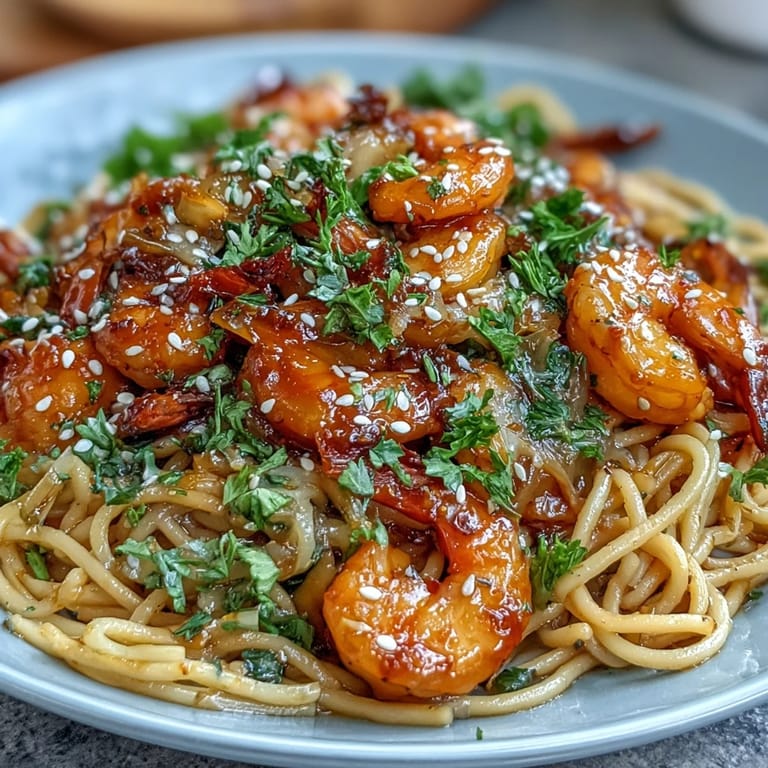
 The best moments with this pasta happen just after the first forkful—there&aposs a pause, a sharp inhale from the chili, and then everyone leans in for more. The meal turns into an impromptu contest of who can handle the heat, and it always ends in laughter and plenty of empty plates.
Which Shrimp Work Best
I find that bigger shrimp (sometimes labeled as &aposjumbo&apos or 16-20 per pound) are ideal; they stay plump and juicy even as they soak up all that garlicky heat. If smaller shrimp are what you have, just watch the cook time so they don&apost go rubbery—quick turns in the pan are your friend here.
Adjusting the Spicy Kick
Everyone&aposs heat tolerance is so personal, and buldak sauce can sneak up on you. Start with less gochugaru if you&apose not sure, then taste and crank it up as you get bolder—sometimes I add a pinch more midway if the table seems fearless.
Easy Swaps for Any Night
It&aposs easy to swap in chicken, tofu, or even mushrooms for the shrimp—just adjust your sauté time and let them get a bit golden before you move on. Sometimes I&aposs toss in some spinach or snap peas right at the end for a flash of color and crunch.
- Don&apost skip the parsley—a little freshness balances all that heat and richness.
- If you run out of gochugaru, a little crushed red pepper flakes can work in a pinch, though the flavor won&apost be quite so deep.
- And don&apost forget: extra sesame seeds make everything better.
 Pin it
 Every time I make this, I end up wanting to share the leftovers—if there are any. It&aposs a dish that sparks conversation and maybe a few happy tears from the heat, just the way dinner with friends should be.
Recipe FAQs
- → What type of pasta works best with this dish?
Spaghetti or linguine are ideal as they hold the spicy sauce well while complementing the shrimp texture.
- → How can I adjust the spiciness level?
Modifying the amount of gochugaru and gochujang allows you to tailor the heat to your preference.
- → Can I substitute shrimp with other proteins?
Yes, chicken or firm tofu can be used to create delicious variations of this dish.
- → What is the purpose of reserving pasta water?
Adding reserved pasta water helps loosen the sauce, ensuring it coats the noodles smoothly without drying out.
- → How does fresh garlic influence the flavor?
Sautéed garlic imparts a rich, aromatic base that enhances the butter's creaminess and balances the bold sauce flavors.